
Navigating the Dynamic B2B Online Market Landscape
The Rise of B2B Online Marketplaces
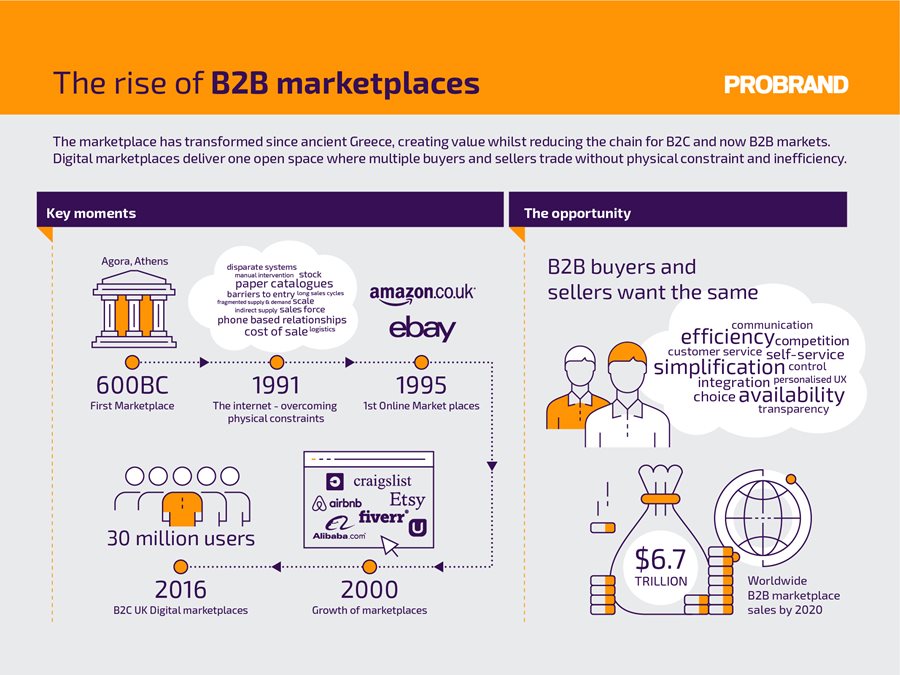
In recent years, the landscape of business-to-business (B2B) transactions has undergone a significant transformation with the emergence and rapid growth of online marketplaces specifically designed for B2B interactions. These digital platforms have revolutionised the way businesses buy and sell goods and services, offering a host of benefits and opportunities for both buyers and sellers.
Efficiency and Convenience
One of the key advantages of B2B online marketplaces is the efficiency and convenience they bring to the procurement process. Businesses can browse through a wide range of products and services from multiple suppliers in one centralised platform, compare prices and specifications, place orders, and manage transactions seamlessly – all from the comfort of their offices or even on-the-go via mobile devices.
Increased Reach and Visibility
By participating in B2B online marketplaces, businesses can expand their reach to a larger audience beyond their traditional networks. Sellers can showcase their offerings to a diverse pool of potential buyers across different regions or industries, while buyers can discover new suppliers and explore innovative solutions that may not have been accessible through traditional channels.
Streamlined Procurement Processes
Online marketplaces streamline the procurement processes by providing tools for inventory management, order tracking, invoicing, payment processing, and more. These digital capabilities help businesses automate routine tasks, reduce manual errors, enhance transparency in transactions, and ultimately drive cost savings through improved operational efficiency.
Enhanced Data Insights
B2B online marketplaces generate valuable data insights that can empower businesses to make informed decisions. By analysing transaction histories, buyer preferences, market trends, and other relevant data points, companies can gain a deeper understanding of their customers’ needs and behaviours, identify growth opportunities, optimise pricing strategies, and foster stronger relationships with partners.
The Future of B2B Commerce
As B2B online marketplaces continue to evolve and innovate, they are poised to play an increasingly pivotal role in shaping the future of B2B commerce. With advancements in technologies such as artificial intelligence (AI), machine learning, blockchain, and Internet of Things (IoT), these platforms will offer more personalised experiences, predictive analytics capabilities, secure transactions, and seamless integrations with existing business systems.
In conclusion,
B2B online marketplaces are revolutionising how businesses connect,
collaborate,
transact,
And grow in today’s digital economy.
Embracing these platforms can unlock new possibilities,
Drive efficiencies,
And propel businesses towards success
In an ever-evolving marketplace.
Frequently Asked Questions About B2B Online Marketplaces
- What is the best B2B marketplace?
- What is an online B2B marketplace?
- What is an example of a B2B marketplace?
- What are the four types of B2B markets?
- Which is best B2B marketplace?
- Is Amazon a B2B?
- What is the biggest B2B marketplace?
What is the best B2B marketplace?
When it comes to identifying the best B2B marketplace, the answer may vary depending on specific business needs, industry requirements, and regional considerations. Several prominent B2B online marketplaces have gained recognition for their diverse offerings, user-friendly interfaces, robust security measures, and extensive supplier networks. Some popular choices include Alibaba.com, Amazon Business, ThomasNet, Global Sources, and TradeIndia. Evaluating factors such as product range, pricing competitiveness, customer support, reliability of suppliers, and platform features can help businesses determine the most suitable B2B marketplace to meet their procurement goals and drive growth in the digital marketplace ecosystem.
What is an online B2B marketplace?
An online B2B marketplace is a digital platform where businesses can buy and sell goods and services to and from other businesses. It serves as a centralised hub that connects buyers and sellers, facilitating transactions, negotiations, and collaborations in a virtual environment. These marketplaces offer a wide range of products and services from various suppliers, providing businesses with access to a diverse pool of offerings that can help streamline procurement processes, expand market reach, and drive operational efficiencies. By leveraging the convenience and efficiency of online B2B marketplaces, businesses can enhance their sourcing strategies, discover new opportunities for growth, and foster mutually beneficial relationships within the business ecosystem.
What is an example of a B2B marketplace?
A prominent example of a B2B marketplace is Alibaba.com, which stands as one of the world’s largest and most well-known platforms connecting businesses across various industries. Through Alibaba.com, businesses can access a vast array of products and services, connect with suppliers and buyers globally, negotiate deals, and facilitate transactions efficiently. This B2B marketplace has become a go-to destination for companies looking to source products, expand their network, and explore new business opportunities in the digital realm.
What are the four types of B2B markets?
In the realm of B2B online markets, businesses often encounter the question: “What are the four types of B2B markets?” The four primary types of B2B markets are the producer market, reseller market, government market, and institutional market. The producer market involves businesses that purchase goods and services to produce their own products. Reseller markets consist of businesses that buy products to resell them at a profit. The government market encompasses purchases made by governmental bodies for public use. Lastly, the institutional market involves educational institutions, hospitals, and other non-profit organisations procuring goods and services for their operations. Understanding these distinct market types is crucial for businesses navigating the dynamic landscape of B2B commerce.
Which is best B2B marketplace?
When considering the question of which is the best B2B marketplace, it’s important to understand that the answer may vary depending on the specific needs and preferences of individual businesses. Several factors come into play, such as the industry sector, target audience, product range, geographical reach, pricing structure, user interface, customer support, and overall reputation. Businesses should conduct thorough research, compare different B2B marketplaces based on their requirements, and consider feedback from other users to determine the platform that aligns best with their goals and expectations. Ultimately, the best B2B marketplace is one that offers a seamless user experience, a wide selection of quality suppliers and buyers, competitive pricing, reliable services, and robust security measures to facilitate successful transactions and foster long-term partnerships.
Is Amazon a B2B?
In the realm of business-to-business (B2B) online markets, a common query that arises is whether Amazon operates within the B2B sector. While Amazon is predominantly known as a leading e-commerce platform for consumers, it also caters to B2B transactions through its Amazon Business service. Amazon Business provides a dedicated marketplace tailored to the needs of businesses, offering a wide range of products, bulk purchasing options, business pricing, and streamlined procurement processes. Therefore, Amazon does indeed have a presence in the B2B space, providing a convenient platform for businesses to source supplies and services efficiently.
What is the biggest B2B marketplace?
When it comes to the question of the biggest B2B marketplace, Alibaba stands out as a prominent name in the industry. With its vast global reach, extensive product categories, and millions of active buyers and sellers, Alibaba has established itself as a powerhouse in the B2B e-commerce space. The platform offers a wide range of products, from electronics to machinery to textiles, catering to diverse business needs across various sectors. Its robust infrastructure, advanced search functionalities, and secure payment options have made it a go-to destination for businesses looking to source or sell products on a large scale.