
Exploring the Diverse World of Software Applications
The Evolution and Impact of Software in the Modern World
Software has become an integral part of our daily lives, influencing everything from business operations to personal entertainment. As technology continues to advance, the role of software is expanding, creating new opportunities and challenges. This article explores the evolution of software, its various types, and its impact on society.
The Evolution of Software
The journey of software began in the mid-20th century with the development of early computer programs designed to perform simple calculations. Over the decades, software has evolved dramatically, transitioning from basic command-line interfaces to sophisticated graphical user interfaces that are intuitive and user-friendly.
Today, software development is a dynamic field that encompasses a wide range of applications, including web-based solutions, mobile apps, cloud computing services, and artificial intelligence systems. The rapid pace of innovation continues to push boundaries and redefine what is possible in the digital realm.
Types of Software
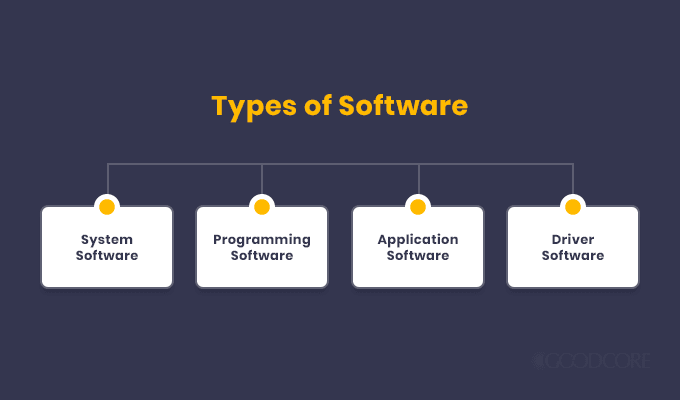
Software can be broadly categorised into several types based on its functionality and application:
- System Software: This includes operating systems like Windows, macOS, and Linux that manage hardware resources and provide a platform for other software applications.
- Application Software: These are programs designed for end-users to perform specific tasks such as word processing (e.g., Microsoft Word), spreadsheets (e.g., Excel), or graphic design (e.g., Adobe Photoshop).
- Utility Software: These tools help manage, maintain, and control computer resources. Examples include antivirus programs and disk management tools.
- Development Software: This category includes programming languages and development environments used by developers to create new applications. Popular examples are Python, JavaScript, and IDEs like Visual Studio Code.
The Impact of Software on Society
The influence of software extends across various aspects of modern life:
Business Transformation
In the business world, software solutions have revolutionised operations by automating processes, enhancing productivity, and enabling data-driven decision-making. Enterprise Resource Planning (ERP) systems integrate core business functions into a single platform, while Customer Relationship Management (CRM) tools help companies better understand their clients’ needs.
Education Enhancement
E-learning platforms have transformed education by providing access to knowledge beyond traditional classroom settings. Students can now learn at their own pace through interactive courses available online. Additionally, educational software supports teachers with tools for creating engaging lesson plans and tracking student progress.
Lifestyle Changes
The rise of mobile apps has changed how people interact with technology daily. From managing personal finances with budgeting apps to staying fit using health-tracking applications—software has made it easier than ever for individuals to lead organised lives tailored specifically towards their goals.
The Future of Software
The future holds exciting possibilities as emerging technologies like artificial intelligence (AI), machine learning (ML), augmented reality (AR), virtual reality (VR), blockchain technology continue shaping new horizons within this field—opening up avenues yet unexplored!
This article highlights just some facets related directly or indirectly linked back into everyday experiences encountered through interaction involving digital mediums powered primarily via underlying code structures known collectively under umbrella term “software.”
Six Key Advantages of Software: Boosting Productivity, Collaboration, and Innovation
- Enhances productivity by automating repetitive tasks
- Facilitates communication and collaboration among users
- Enables efficient data management and analysis
- Provides access to a wide range of tools and functionalities
- Supports innovation through the development of new applications
- Improves user experience with intuitive interfaces and customisation options
Challenges in Software: Navigating Complexity, Security Risks, and Compatibility Issues
Enhances productivity by automating repetitive tasks
Software plays a crucial role in enhancing productivity by automating repetitive tasks, allowing individuals and businesses to focus on more strategic and creative endeavours. By automating routine processes, such as data entry, file management, and scheduling, software not only saves time but also reduces the likelihood of human error. This efficiency boost enables users to accomplish tasks more quickly and accurately, leading to increased productivity and overall effectiveness in various aspects of work and life.
Facilitates communication and collaboration among users
Software plays a pivotal role in enhancing communication and collaboration among users by providing platforms and tools that enable seamless interaction and teamwork. Whether it’s through messaging apps, video conferencing software, project management tools, or cloud-based document sharing platforms, software fosters connectivity and synergy among individuals regardless of their physical locations. By breaking down communication barriers and offering real-time collaboration features, software empowers users to work together efficiently, share ideas, exchange feedback, and collectively achieve common goals with ease.
Enables efficient data management and analysis
Software plays a crucial role in enabling efficient data management and analysis, providing organisations with the tools to process vast amounts of information swiftly and accurately. By utilising software solutions tailored for data handling, businesses can streamline their operations, make informed decisions based on real-time insights, and uncover valuable patterns and trends within their datasets. This capability not only enhances productivity but also empowers companies to adapt quickly to changing market conditions and stay ahead of the competition.
Provides access to a wide range of tools and functionalities
One of the key advantages of software is its ability to provide access to a diverse array of tools and functionalities. Whether it’s a simple word processing program or a complex data analysis tool, software empowers users with the resources they need to accomplish tasks efficiently and effectively. This wide range of capabilities caters to various needs across different industries and personal pursuits, enabling individuals and organisations to streamline processes, enhance creativity, and achieve their goals with precision and innovation.
Supports innovation through the development of new applications
Software plays a crucial role in fostering innovation by enabling the creation of new applications that cater to evolving needs and challenges. Through continuous development and refinement, software empowers individuals and businesses to explore fresh ideas, enhance efficiency, and unlock new possibilities. The ability to customise and adapt software to specific requirements fuels creativity and drives progress in various industries, paving the way for groundbreaking solutions that shape the future of technology.
Improves user experience with intuitive interfaces and customisation options
Software plays a pivotal role in enhancing user experience by providing intuitive interfaces and extensive customisation options. By offering user-friendly designs and functionalities, software ensures that individuals can navigate through applications effortlessly, making their interaction seamless and efficient. Moreover, the ability to personalise settings and features according to individual preferences empowers users to tailor their digital experience to suit their specific needs and preferences, ultimately leading to a more engaging and satisfying interaction with the software.
Complexity
The complexity of software presents a significant challenge, particularly for non-technical users who may find themselves overwhelmed by intricate interfaces and functionalities. This complexity can lead to confusion and frustration, hindering users’ ability to fully utilise the software’s capabilities. Moreover, the potential for errors increases when users struggle to navigate through convoluted features, risking inefficiencies and mistakes that could impact productivity and user experience negatively. It is crucial for software developers to consider user-friendly design principles and provide adequate support to mitigate the adverse effects of software complexity on end-users.
Security Risks
Security risks pose a significant threat when it comes to software usage. Vulnerabilities within software systems can be exploited by cybercriminals, leading to unauthorised access to confidential data or even causing disruptions in operations. These security breaches not only jeopardise the integrity of information but also undermine the trust and reliability associated with the software. It is crucial for organisations and individuals alike to stay vigilant, implement robust security measures, and regularly update their software to mitigate these risks effectively.
Compatibility Issues
Compatibility issues are a significant drawback of software usage, as the seamless integration of different applications is not always guaranteed. When software programs do not work harmoniously together, it can lead to disruptions in productivity and user experience. These compatibility issues often result in inefficiencies, errors, and frustrations for users who rely on multiple applications to complete their tasks efficiently. Addressing compatibility challenges requires careful consideration and sometimes additional resources to ensure that software systems can communicate effectively with one another, ultimately enhancing workflow and user satisfaction.