
The Evolution of Computer Hard Drive Technology: A Comprehensive Overview
The Importance of Computer Hard Drives
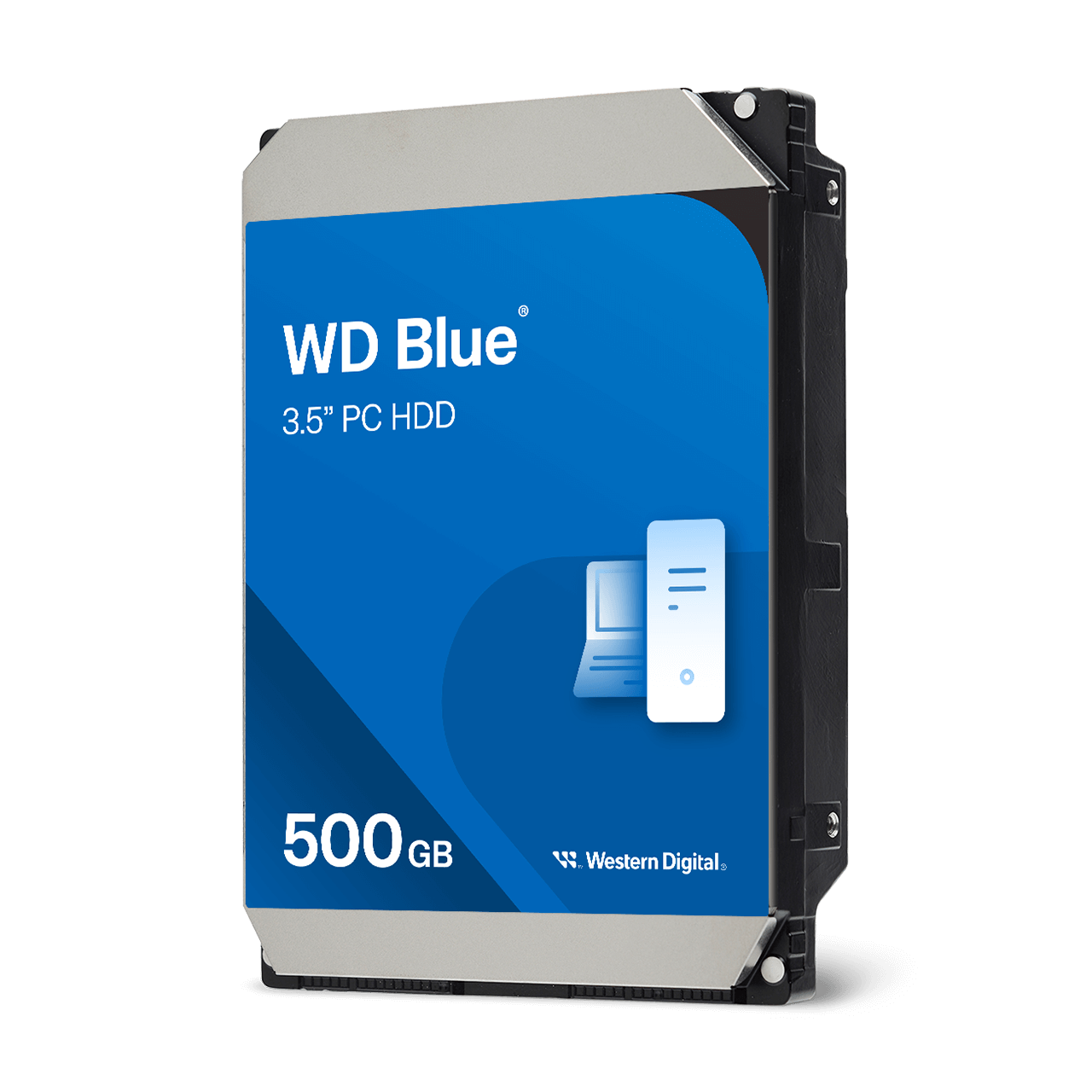
Computer hard drives are the unsung heroes of modern technology, silently storing and retrieving vast amounts of data to keep our digital lives running smoothly. These essential components play a crucial role in the functionality and performance of our computers.
Storage Capacity
One of the key features of a computer hard drive is its storage capacity. Hard drives come in various sizes, ranging from a few gigabytes to several terabytes. This storage space allows users to store their operating system, applications, documents, photos, videos, and other data securely.
Data Access Speed
In addition to storage capacity, the speed at which data can be accessed is another critical factor in hard drive performance. Faster access speeds result in quicker boot times, faster application loading, and overall improved user experience.
Data Backup and Recovery
Hard drives also play a vital role in data backup and recovery. By regularly backing up important files to an external hard drive or cloud storage, users can protect their data from loss due to hardware failure or accidental deletion. In case of data loss, recovery tools can often retrieve lost files from a malfunctioning hard drive.
Types of Hard Drives
There are two main types of computer hard drives: HDDs (hard disk drives) and SSDs (solid-state drives). HDDs use spinning disks to store data magnetically and have been the traditional choice for storage due to their affordability and high capacities. On the other hand, SSDs use flash memory for faster data access speeds but typically come at a higher cost per gigabyte.
Future Trends
As technology continues to advance, new developments in hard drive technology are emerging. Innovations such as hybrid drives combining HDD and SSD technologies offer a balance between speed and capacity. Additionally, cloud storage solutions are becoming increasingly popular for offloading data from local hard drives.
In conclusion, computer hard drives are indispensable components that enable us to store, access, and protect our digital information efficiently. Understanding the importance of hard drives can help users make informed decisions when selecting storage solutions for their computing needs.
Essential Tips for Maintaining and Optimising Your Computer’s Hard Drive
- Regularly back up your important data to prevent loss in case of hard drive failure.
- Avoid moving your computer while it is running to prevent damage to the hard drive.
- Keep your hard drive cool by ensuring proper ventilation in your computer case.
- Defragment your hard drive periodically to optimize its performance.
- Scan your hard drive for viruses and malware regularly to maintain its health.
- Avoid filling up your hard drive completely as it can slow down performance.
- Handle your hard drive with care and avoid dropping or mishandling it.
- Consider upgrading to a solid-state drive (SSD) for faster read/write speeds.
Regularly back up your important data to prevent loss in case of hard drive failure.
Regularly backing up your important data is a crucial practice to safeguard against potential loss in the event of a hard drive failure. By creating backups of your valuable files on external storage devices or cloud services, you can ensure that even if your hard drive malfunctions, your data remains safe and accessible. This proactive approach not only provides peace of mind but also minimizes the impact of unexpected hardware issues, allowing you to restore your information swiftly and efficiently.
Avoid moving your computer while it is running to prevent damage to the hard drive.
To safeguard the integrity of your computer’s hard drive, it is advisable to refrain from moving the device while it is operational. Moving a computer while its hard drive is running can potentially lead to physical damage or data corruption. By keeping the computer stationary during operation, you reduce the risk of jostling or sudden movements that could impact the delicate components within the hard drive, ensuring its longevity and optimal performance.
Keep your hard drive cool by ensuring proper ventilation in your computer case.
To maintain the health and longevity of your computer hard drive, it is crucial to keep it cool by ensuring adequate ventilation within your computer case. Proper airflow helps dissipate heat generated by the hard drive during operation, reducing the risk of overheating and potential damage. By allowing cool air to circulate around the hard drive, you can help maintain optimal performance and prolong its lifespan. Regularly checking and cleaning your computer’s ventilation system can ensure that your hard drive remains cool and functions efficiently.
Defragment your hard drive periodically to optimize its performance.
To ensure optimal performance of your computer hard drive, it is advisable to periodically defragment the drive. Defragmentation rearranges fragmented data on the disk, allowing the system to access files more efficiently and improving overall performance. By organising data in a contiguous manner, defragmentation reduces the time it takes for the computer to retrieve information, resulting in faster file access and system responsiveness. Regularly defragmenting your hard drive can help maintain its efficiency and prolong its lifespan.
Scan your hard drive for viruses and malware regularly to maintain its health.
Regularly scanning your computer hard drive for viruses and malware is a crucial maintenance tip to ensure its health and optimal performance. Viruses and malware can not only compromise your data security but also slow down your system and cause potential hardware damage. By conducting routine scans, you can detect and eliminate any malicious threats that may be lurking in your hard drive, safeguarding both your personal information and the longevity of your device. Prioritising this simple yet effective practice can help keep your computer running smoothly and protect it from harmful cyber threats.
Avoid filling up your hard drive completely as it can slow down performance.
It is advisable to avoid filling up your computer hard drive completely, as doing so can significantly impact performance. When a hard drive reaches its storage capacity limit, it may struggle to access and retrieve data efficiently, leading to slower read and write speeds. By leaving some free space on your hard drive, you can help maintain optimal performance and ensure smoother operation of your computer system.
Handle your hard drive with care and avoid dropping or mishandling it.
It is crucial to handle your computer hard drive with care to ensure its optimal performance and longevity. Avoid dropping or mishandling the hard drive, as physical shocks can cause damage to the delicate internal components. By treating your hard drive gently and avoiding rough handling, you can minimise the risk of data loss and hardware failure, preserving your valuable files and maintaining the integrity of your storage device.
Consider upgrading to a solid-state drive (SSD) for faster read/write speeds.
When looking to enhance the performance of your computer’s storage system, consider upgrading to a solid-state drive (SSD) for faster read/write speeds. SSDs utilize flash memory technology, offering significantly quicker data access times compared to traditional hard disk drives (HDDs). This upgrade can result in improved overall system responsiveness, faster application loading times, and smoother multitasking capabilities. By investing in an SSD, you can experience a noticeable boost in speed and efficiency when accessing and transferring data on your computer.