
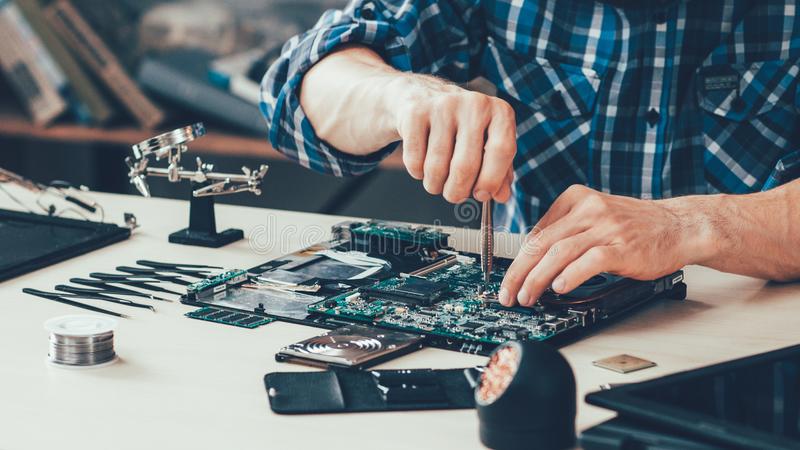
Enhance Your Computer’s Performance with Professional Service
The Importance of Computer Service
In today’s digital age, computers have become an integral part of our daily lives. From personal use to business operations, the reliance on computers is undeniable. However, like any other electronic device, computers require regular maintenance and service to ensure optimal performance and longevity.
Computer service involves a range of activities aimed at keeping your computer running smoothly and efficiently. This includes hardware maintenance, software updates, virus protection, and troubleshooting any issues that may arise. By investing in regular computer service, you can prevent costly repairs and downtime in the future.
Benefits of Regular Computer Service:
- Improved Performance: Regular maintenance can help speed up your computer and enhance its overall performance.
- Enhanced Security: Keeping your software up-to-date and running antivirus programs can protect your computer from cyber threats.
- Extended Lifespan: Proper care and maintenance can prolong the lifespan of your computer, saving you money in the long run.
- Prevent Data Loss: Regular backups and maintenance can help prevent data loss due to hardware failure or software issues.
- Cost-Effective: Investing in regular computer service is more cost-effective than waiting for a major issue to occur.
Whether you use your computer for work or leisure, ensuring it receives proper service is essential for its longevity and performance. Many professional services offer comprehensive computer maintenance packages tailored to your specific needs. By entrusting your computer to experts, you can enjoy peace of mind knowing that it is in good hands.
Don’t wait until a problem arises – schedule regular computer service today and reap the benefits of a well-maintained and efficient system.
Essential Tips for Maintaining and Securing Your Computer: A Guide to Optimal Performance
- Regularly update your operating system and software to ensure optimal performance and security.
- Run antivirus scans frequently to protect your computer from malware and viruses.
- Back up your important files regularly to prevent data loss in case of hardware failure or cyber attacks.
- Keep your computer physically clean by dusting it regularly and ensuring proper ventilation for cooling.
- Avoid clicking on suspicious links or downloading attachments from unknown sources to prevent phishing attacks.
- ‘Restart’ or ‘shutdown’ your computer properly to avoid system errors and improve performance.
- ‘Defragment’ your hard drive periodically to optimize file storage and improve system speed.
- Use strong passwords and enable two-factor authentication for enhanced security of your accounts.
Regularly update your operating system and software to ensure optimal performance and security.
Regularly updating your operating system and software is crucial for maintaining optimal performance and security of your computer. By staying up-to-date with the latest patches and enhancements, you not only ensure that your system runs smoothly but also protect it from potential security vulnerabilities. Updating your software can improve functionality, fix bugs, and enhance compatibility with other applications, ultimately contributing to a more efficient and secure computing experience. Remember, proactive maintenance through regular updates is key to keeping your computer running at its best.
Run antivirus scans frequently to protect your computer from malware and viruses.
Running antivirus scans frequently is a crucial tip to safeguard your computer from malware and viruses. By regularly scanning your system, you can detect and eliminate any malicious software that may compromise your data or system integrity. This proactive approach helps maintain a secure computing environment and ensures that your computer operates smoothly without the threat of harmful cyber infections.
Back up your important files regularly to prevent data loss in case of hardware failure or cyber attacks.
It is crucial to back up your important files regularly as a preventive measure against data loss caused by hardware failure or cyber attacks. By creating backups of your essential data and storing them securely, you can safeguard your information and ensure that you can recover it in the event of unforeseen incidents. Regularly backing up your files is a simple yet effective way to protect your valuable data and minimise the impact of potential threats to your computer system.
Keep your computer physically clean by dusting it regularly and ensuring proper ventilation for cooling.
To maintain optimal performance and prevent overheating, it is crucial to keep your computer physically clean by dusting it regularly and ensuring proper ventilation for cooling. Dust accumulation can clog components and hinder airflow, leading to potential hardware issues and reduced efficiency. By incorporating simple cleaning routines into your computer service regimen, you can prolong its lifespan and ensure smooth operation for years to come.
Avoid clicking on suspicious links or downloading attachments from unknown sources to prevent phishing attacks.
To safeguard your computer and personal information, it is crucial to heed this advice: refrain from clicking on dubious links or downloading attachments from unfamiliar sources. By exercising caution in this regard, you can effectively mitigate the risk of falling victim to phishing attacks. These deceptive tactics often aim to trick users into divulging sensitive data or installing malicious software. Prioritising vigilance and discernment when interacting with online content is paramount in maintaining the security of your digital devices and personal data.
‘Restart’ or ‘shutdown’ your computer properly to avoid system errors and improve performance.
To maintain the health and performance of your computer, it is crucial to adhere to the simple yet effective tip of restarting or shutting down your system properly. By following this practice, you can prevent system errors and enhance overall performance. Restarting or shutting down your computer allows it to refresh and clear any temporary files or processes that may be causing issues. This routine maintenance task not only helps in resolving minor glitches but also contributes to a smoother and more efficient computing experience in the long run.
‘Defragment’ your hard drive periodically to optimize file storage and improve system speed.
To optimise file storage and enhance system speed, it is advisable to periodically ‘defragment’ your hard drive. Defragmentation rearranges fragmented data on the hard drive, allowing files to be stored more efficiently and accessed faster. By performing this maintenance task regularly, you can improve overall system performance and ensure smoother operation of your computer.
Use strong passwords and enable two-factor authentication for enhanced security of your accounts.
Enhance the security of your accounts by implementing strong passwords and enabling two-factor authentication. By using complex and unique passwords, you can significantly reduce the risk of unauthorized access to your sensitive information. Two-factor authentication adds an extra layer of security by requiring a secondary verification method, such as a code sent to your mobile device. These simple steps can greatly improve the protection of your online accounts and data from potential cyber threats.