
Exploring a Comprehensive List of Programming Languages
Exploring the World of Programming Languages
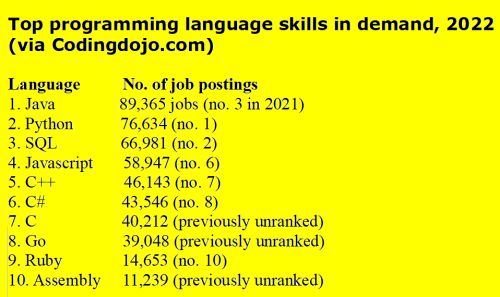
Programming languages are the building blocks of software development, enabling programmers to create applications, websites, and much more. With a vast array of programming languages available, each serving different purposes and having unique features, it can be overwhelming to choose the right one for a project.
Popular Programming Languages:
- Python: Known for its simplicity and readability, Python is widely used in web development, data analysis, artificial intelligence, and more.
- Java: A versatile language used in enterprise applications, mobile development (Android), and large-scale systems.
- Javascript: Essential for front-end web development, JavaScript brings interactivity to websites and is also used in server-side development with Node.js.
- C++: A powerful language often used in game development, system programming, and creating high-performance applications.
- C#: Developed by Microsoft, C# is commonly used in building Windows applications, games using Unity engine, and enterprise software.
- PHP: Primarily used for server-side scripting and web development tasks like creating dynamic websites and content management systems.
- Ruby: Known for its elegant syntax and productivity boosters like Ruby on Rails framework for web development.
- Swift: Apple’s preferred language for iOS app development due to its speed and safety features.
- Kotlin: An alternative to Java for Android app development offering modern features and seamless integration with existing codebases.
No matter which programming language you choose to learn or work with, each has its strengths and areas of application. As technology evolves, new languages emerge while existing ones continue to adapt to meet changing demands in the digital landscape. Whether you’re a seasoned developer or just starting your coding journey, exploring various programming languages opens up a world of possibilities for creativity and problem-solving.
Advantages of Programming Languages: Catering to Diverse Needs and Fostering Innovation
- Diverse range of programming languages cater to different project requirements and developer preferences.
- Learning multiple languages enhances a programmer’s skill set and adaptability in the ever-evolving tech industry.
- Each language has its unique features and strengths, allowing developers to choose the best tool for the job.
- Programming languages empower individuals to create innovative applications, websites, and software solutions.
- Specialised languages like Python for data science or JavaScript for web development offer targeted solutions for specific domains.
- The versatility of programming languages enables developers to work on a wide array of projects, from mobile apps to complex systems.
- Continuous advancements in programming languages ensure that developers have access to cutting-edge tools and technologies.
Challenges in Navigating the World of Programming Languages
- Choosing the right programming language from a vast list can be overwhelming for beginners.
- Learning multiple programming languages simultaneously may lead to confusion and hinder mastery of any one language.
- Some niche or less commonly used programming languages may have limited resources and community support available compared to popular languages.
Diverse range of programming languages cater to different project requirements and developer preferences.
The diverse range of programming languages offers a valuable advantage by catering to various project requirements and accommodating developer preferences. With each language designed with specific features and strengths, programmers can choose the most suitable tool for their project, whether it be web development, mobile applications, system programming, data analysis, or game development. This diversity empowers developers to work efficiently and effectively in accordance with their expertise and the unique demands of each project they undertake.
Learning multiple languages enhances a programmer’s skill set and adaptability in the ever-evolving tech industry.
Mastering multiple programming languages offers a significant advantage to programmers by enriching their skill set and boosting their adaptability in the dynamic tech industry. By diversifying their language proficiency, programmers can tackle a broader range of projects, navigate different development environments, and stay agile in the face of evolving technologies. This versatility not only enhances their problem-solving capabilities but also equips them to embrace new challenges with confidence and creativity. In a landscape where innovation is constant, the ability to fluently code in multiple languages empowers programmers to thrive and excel in diverse roles and projects.
Each language has its unique features and strengths, allowing developers to choose the best tool for the job.
In the realm of programming languages, one significant advantage is that each language possesses its distinctive features and strengths, empowering developers to select the most suitable tool for a particular task. This diversity enables programmers to tailor their choice based on factors such as project requirements, scalability, performance, and ease of development. By having a wide array of programming languages at their disposal, developers can leverage the strengths of each language to create efficient and innovative solutions that meet the specific needs of their projects.
Programming languages empower individuals to create innovative applications, websites, and software solutions.
Programming languages empower individuals to unleash their creativity and bring their innovative ideas to life through the development of applications, websites, and software solutions. By mastering a programming language, individuals gain the ability to craft customised solutions tailored to specific needs, whether it’s creating a user-friendly mobile app, designing an interactive website, or developing complex software systems. The versatility and power of programming languages provide a platform for endless possibilities, enabling individuals to make a meaningful impact in the digital world and drive technological advancements forward.
Specialised languages like Python for data science or JavaScript for web development offer targeted solutions for specific domains.
Specialised programming languages such as Python for data science or JavaScript for web development provide tailored solutions that cater to specific domains with precision and efficiency. Python’s rich libraries and tools make it a popular choice for data analysis, machine learning, and scientific computing, empowering data scientists to extract valuable insights from complex datasets. On the other hand, JavaScript’s versatility and compatibility with web browsers enable developers to create dynamic and interactive websites, enhancing user experience and functionality. By leveraging these specialised languages, professionals can harness the power of targeted tools to excel in their respective fields and drive innovation in technology.
The versatility of programming languages enables developers to work on a wide array of projects, from mobile apps to complex systems.
The versatility of programming languages empowers developers to engage in a diverse range of projects, spanning from the creation of mobile applications to the development of intricate systems. This flexibility allows programmers to adapt their skills and expertise to meet the demands of various industries and technological requirements, showcasing the adaptability and scalability that programming languages offer in today’s dynamic digital landscape.
Continuous advancements in programming languages ensure that developers have access to cutting-edge tools and technologies.
Continuous advancements in programming languages ensure that developers have access to cutting-edge tools and technologies, empowering them to stay at the forefront of innovation in the ever-evolving tech industry. By embracing new features, improvements, and languages, developers can enhance their skills, streamline their workflows, and create more efficient and sophisticated solutions. This dynamic landscape not only fosters creativity and problem-solving but also encourages a culture of lifelong learning and adaptation within the programming community.
Choosing the right programming language from a vast list can be overwhelming for beginners.
Selecting the appropriate programming language from a diverse range can present a significant challenge for novices entering the world of coding. The sheer abundance of options available may seem daunting, making it difficult for beginners to determine which language best aligns with their learning goals and project requirements. This overwhelming choice can create a barrier to entry, potentially leading to confusion and indecision as individuals strive to navigate the complexities of programming languages and identify the most suitable one to kickstart their coding journey.
Learning multiple programming languages simultaneously may lead to confusion and hinder mastery of any one language.
Attempting to learn multiple programming languages simultaneously can pose a significant challenge as it may result in confusion and impede the depth of understanding and mastery of any single language. Each programming language has its syntax, rules, and best practices that require focused attention and practice to truly grasp. By dividing one’s time and effort across multiple languages concurrently, individuals may struggle to develop a profound understanding of the intricacies and nuances that distinguish each language. This approach could potentially hinder the ability to utilise a particular language effectively in real-world applications, as mastery often comes from dedicated practice and immersion in one language at a time.
Some niche or less commonly used programming languages may have limited resources and community support available compared to popular languages.
When delving into the realm of programming languages, one must consider that some niche or less commonly used languages may present a challenge due to limited available resources and community support in comparison to their more popular counterparts. Developers exploring these less mainstream languages may find themselves facing hurdles such as a scarcity of documentation, fewer online tutorials, and a smaller community to seek guidance from. This lack of robust support infrastructure can make it harder for programmers to troubleshoot issues, learn new concepts, or collaborate with others in the field. Despite these constraints, enthusiasts of niche languages often appreciate the unique features and specialised applications that these lesser-known options offer.