
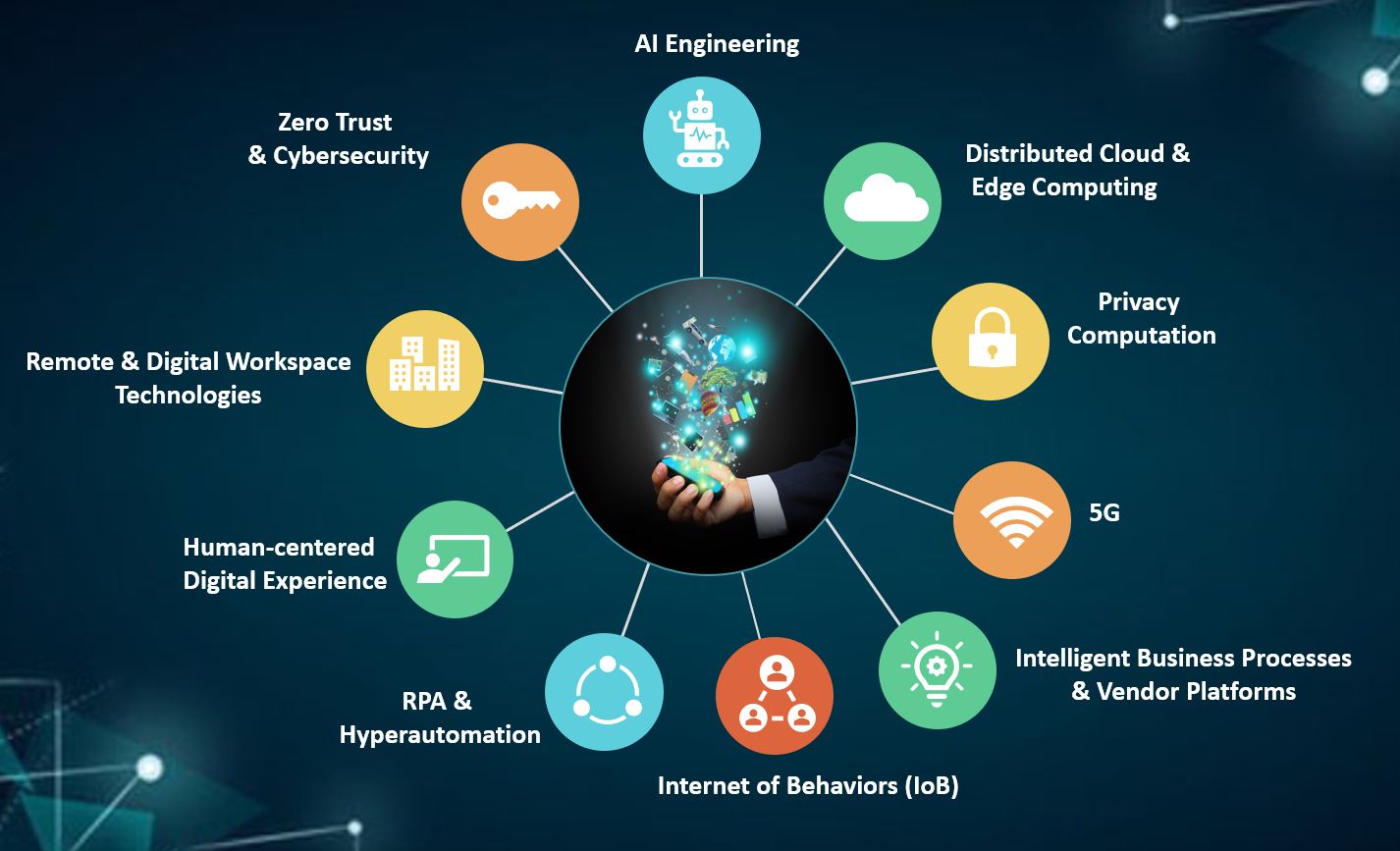
Unveiling the Latest Technology Trends Shaping Tomorrow’s World
Exploring the Latest Technology Trends Shaping Our Future
In today’s rapidly evolving world, technology trends are not just shaping industries but also redefining how we live and interact. As we look towards the future, several key trends stand out as particularly transformative. From artificial intelligence to sustainable tech innovations, these advancements promise to change the landscape of our daily lives.
Artificial Intelligence and Machine Learning
Artificial Intelligence (AI) and Machine Learning (ML) have been at the forefront of technological innovation for several years now. These technologies are being integrated into a wide range of applications, from personal assistants like Siri and Alexa to more complex systems such as autonomous vehicles and predictive analytics in healthcare.
The ability of AI to process vast amounts of data quickly and efficiently is enabling businesses to make more informed decisions, improving productivity and customer experiences. As AI continues to evolve, it is expected to become even more intuitive, with enhanced capabilities in natural language processing and decision-making.
5G Connectivity
The rollout of 5G networks is another significant trend that promises to revolutionise communication. With faster speeds and lower latency than its predecessors, 5G connectivity is set to enhance mobile internet experiences significantly. This development will facilitate advancements in other technologies such as the Internet of Things (IoT), virtual reality (VR), and augmented reality (AR).
Industries ranging from entertainment to healthcare are already exploring how 5G can improve their offerings, with potential applications including real-time remote surgery, immersive gaming experiences, and smart city infrastructure.
Sustainable Technology
As environmental concerns continue to rise globally, sustainable technology has become a crucial focus for innovators. Renewable energy sources such as solar and wind power are becoming more efficient and cost-effective. Additionally, advancements in battery technology are making electric vehicles more accessible than ever before.
Sustainable tech extends beyond energy solutions; it also includes innovations in recycling processes, biodegradable materials, and water conservation technologies. The push towards sustainability is driving companies across all sectors to reconsider their environmental impact and adopt greener practices.
The Rise of Quantum Computing
Quantum computing represents a paradigm shift in computational power. Unlike traditional computers that use bits as units of information, quantum computers use qubits which can exist in multiple states simultaneously. This allows them to solve complex problems much faster than conventional systems.
While still in its nascent stages, quantum computing holds great promise for fields such as cryptography, drug discovery, financial modelling, and climate forecasting. As research progresses, we can expect quantum computing to unlock new possibilities previously thought unattainable.
Conclusion
The pace at which technology is advancing shows no signs of slowing down. These trends highlight just a few areas where innovation is driving change across industries worldwide. By staying informed about these developments and embracing new technologies responsibly, individuals and businesses alike can harness their potential for a brighter future.
Exploring the Future: 8 Key Questions on Emerging Technology Trends
- What are the current technology trends shaping the future?
- How is artificial intelligence impacting various industries?
- What is the significance of 5G connectivity in today’s technological landscape?
- How are companies incorporating sustainable technology into their practices?
- What potential applications does quantum computing have in different fields?
- Are there any emerging technologies that could disrupt existing industries?
- How can individuals stay updated on the latest technology trends?
- What role does innovation play in driving technological advancements?
What are the current technology trends shaping the future?
Inquiring about the current technology trends shaping the future is a common query in today’s fast-paced digital landscape. From artificial intelligence and machine learning revolutionising decision-making processes to the implementation of 5G networks enhancing connectivity and enabling innovative applications, such as IoT and AR/VR, the technological horizon is brimming with transformative advancements. Sustainable technology solutions, including renewable energy sources and eco-friendly practices, are also playing a pivotal role in shaping a greener future. Additionally, the emergence of quantum computing promises unparalleled computational capabilities that could redefine various industries. By keeping abreast of these dynamic trends, individuals and businesses can prepare themselves for the exciting technological developments that lie ahead.
How is artificial intelligence impacting various industries?
Artificial intelligence (AI) is significantly transforming various industries by enhancing efficiency, accuracy, and innovation. In healthcare, AI is revolutionising diagnostics and personalised medicine through advanced data analysis and predictive algorithms. The finance sector benefits from AI-driven fraud detection and automated trading systems, which improve security and operational speed. In manufacturing, AI-powered robotics and automation streamline production processes, reducing costs and increasing productivity. Retail businesses utilise AI for personalised marketing strategies and inventory management, thereby enhancing customer experiences. Additionally, in the transportation industry, AI is pivotal in the development of autonomous vehicles and optimised logistics solutions. Across these sectors, AI not only boosts performance but also opens up new opportunities for growth and development.
What is the significance of 5G connectivity in today’s technological landscape?
5G connectivity plays a pivotal role in today’s technological landscape due to its transformative impact on communication and innovation. With faster speeds, lower latency, and increased capacity, 5G networks enable a wide range of applications that were previously constrained by slower connections. From powering the Internet of Things (IoT) to facilitating real-time data transfer for autonomous vehicles, 5G connectivity opens up possibilities for enhanced user experiences and efficiency across various industries. Its ability to support emerging technologies like augmented reality (AR) and virtual reality (VR) also paves the way for immersive digital experiences that were once limited by bandwidth constraints. In essence, the significance of 5G lies in its potential to revolutionise how we interact with technology, paving the way for a more connected and efficient future.
How are companies incorporating sustainable technology into their practices?
Companies are increasingly incorporating sustainable technology into their practices by adopting innovative solutions that reduce their environmental impact and promote long-term sustainability. This includes investing in renewable energy sources, implementing energy-efficient practices, and integrating eco-friendly materials into their products. Many companies are also focusing on waste reduction, recycling initiatives, and carbon offset programs to minimise their ecological footprint. By prioritising sustainability in their operations, companies not only contribute to a healthier planet but also appeal to environmentally conscious consumers who value ethical and eco-friendly business practices.
What potential applications does quantum computing have in different fields?
Quantum computing holds immense potential for revolutionising various fields due to its ability to process vast amounts of data at unprecedented speeds. In the field of cryptography, quantum computing could disrupt current encryption methods, leading to more secure communication networks. In drug discovery, quantum computers have the potential to simulate complex molecular interactions quickly, accelerating the development of new medications. Financial modelling stands to benefit from quantum computing’s capacity to analyse intricate data sets and make more accurate predictions. Furthermore, in climate forecasting, quantum computers could enhance our understanding of complex climate systems and improve the accuracy of long-term weather predictions. The applications of quantum computing across different fields are vast and promising, paving the way for significant advancements in science and technology.
Are there any emerging technologies that could disrupt existing industries?
The question of whether emerging technologies have the potential to disrupt existing industries is a pertinent one in today’s fast-paced technological landscape. Indeed, several innovative advancements such as artificial intelligence, blockchain, and quantum computing are poised to revolutionise traditional business models across various sectors. These disruptive technologies have the power to streamline processes, enhance efficiency, and create entirely new markets, challenging established norms and paving the way for unprecedented growth and transformation. As industries adapt to these emerging trends, those that embrace change and innovation stand to thrive in an increasingly dynamic and competitive environment.
How can individuals stay updated on the latest technology trends?
To stay abreast of the latest technology trends, individuals can adopt various strategies. Subscribing to reputable tech news websites, following influential tech blogs and social media accounts, and attending industry events and webinars are effective ways to stay informed. Engaging in online forums and communities dedicated to technology discussions can also provide valuable insights and updates. Additionally, exploring online courses and tutorials on emerging technologies can help individuals deepen their understanding of current trends. By actively seeking out information from diverse sources and remaining curious about new developments, individuals can stay updated on the ever-evolving world of technology.
What role does innovation play in driving technological advancements?
Innovation plays a pivotal role in driving technological advancements by serving as the catalyst for progress and transformation. Through innovative thinking and creative problem-solving, individuals and organisations push the boundaries of what is possible, leading to the development of groundbreaking technologies that shape our future. By fostering a culture of innovation, we not only address current challenges but also anticipate and meet the demands of tomorrow. Embracing innovation enables us to explore new possibilities, improve existing solutions, and ultimately drive meaningful change in how we live, work, and interact with technology.