
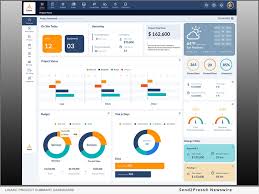
Optimising Construction Projects with Advanced Project Management Software
The Power of Construction Project Management Software
In the dynamic and complex world of construction projects, effective project management is crucial for success. With the advent of technology, construction project management software has revolutionised the way projects are planned, executed, and monitored.
Benefits of Construction Project Management Software:
- Efficiency: Streamline project planning, scheduling, and communication to improve efficiency and productivity.
- Collaboration: Facilitate seamless collaboration among team members, subcontractors, and stakeholders through a centralised platform.
- Cost Control: Monitor project costs in real-time, identify potential cost overruns, and make informed decisions to stay within budget.
- Risk Management: Identify and mitigate risks early on to prevent delays and minimise disruptions to the project timeline.
- Data Analysis: Utilise data analytics tools to track key performance indicators (KPIs) and make data-driven decisions for better project outcomes.
- Document Management: Centralise document storage and version control to ensure all team members have access to the latest information.
- Reporting: Generate customisable reports on project progress, milestones achieved, and upcoming tasks to keep stakeholders informed.
Popular Construction Project Management Software Solutions:
- Trello: A user-friendly tool for task management and team collaboration.
- Procore: A comprehensive platform for construction project management with features for budgeting, scheduling, and quality control.
- BIM 360: Autodesk’s solution for Building Information Modelling (BIM) coordination and collaboration across construction teams.
- Aconex: A cloud-based platform for document management, communication, and workflow automation in construction projects.
Embracing construction project management software empowers construction professionals to deliver projects on time, within budget, and to the highest quality standards. By harnessing the capabilities of these tools, construction companies can gain a competitive edge in today’s fast-paced industry landscape.
Essential FAQs About Construction Project Management Software: Understanding Benefits, Features, and Implementation
- What is construction project management software?
- How can construction project management software benefit my projects?
- What features should I look for in construction project management software?
- Is construction project management software easy to use and implement?
- Can construction project management software help with cost control and budgeting?
- How does construction project management software facilitate collaboration among team members?
- Are there any specific training or support options available for using construction project management software?
What is construction project management software?
Construction project management software is a specialised tool designed to streamline and enhance the planning, execution, and monitoring of construction projects. It serves as a centralised platform that enables project managers, team members, subcontractors, and stakeholders to collaborate effectively, track progress in real-time, manage costs efficiently, mitigate risks proactively, and ensure seamless communication throughout the project lifecycle. By leveraging the capabilities of construction project management software, organisations can achieve greater transparency, productivity, and control over their projects, ultimately leading to successful outcomes and improved project delivery.
How can construction project management software benefit my projects?
Construction project management software offers a multitude of benefits that can significantly enhance the efficiency and success of your projects. By utilising this software, you can streamline project planning, scheduling, and communication processes, leading to improved productivity and collaboration among team members. The software also enables real-time monitoring of project costs, identification of risks, and data-driven decision-making, ultimately helping you stay within budget and mitigate potential challenges. Additionally, centralised document management and customisable reporting features ensure that all stakeholders have access to up-to-date information, fostering transparency and accountability throughout the project lifecycle. In essence, construction project management software empowers you to optimise project performance, minimise risks, and achieve successful project outcomes.
What features should I look for in construction project management software?
When considering construction project management software, it is essential to look for features that align with the specific needs of your projects. Key features to consider include robust project scheduling tools for efficient task management, collaborative platforms to facilitate communication among team members and stakeholders, budget tracking capabilities for effective cost control, risk management functionalities to identify and mitigate potential risks, data analytics tools for informed decision-making, document management systems for centralised storage and version control, and reporting features to track project progress and milestones. By prioritising these features in your selection process, you can ensure that the software meets your requirements and enhances the overall efficiency and success of your construction projects.
Is construction project management software easy to use and implement?
When considering the implementation of construction project management software, one common question arises: Is it easy to use and implement? The answer depends on the specific software chosen and the level of support provided. Many modern construction project management software solutions are designed with user-friendly interfaces and intuitive features to simplify adoption. Additionally, reputable software providers offer training resources and customer support to assist with implementation, ensuring a smooth transition for users. By investing time in familiarising oneself with the software and taking advantage of available support, construction professionals can effectively leverage these tools to enhance project efficiency and collaboration.
Can construction project management software help with cost control and budgeting?
Construction project management software plays a pivotal role in enhancing cost control and budgeting within construction projects. By utilising specialised tools and features, such software enables project managers to monitor expenses in real-time, track budget allocations, and identify potential cost overruns before they escalate. With detailed insights and analytics provided by these platforms, project teams can make informed decisions to optimise resource allocation, streamline procurement processes, and ultimately ensure that the project stays within budget constraints. The integration of cost control and budgeting functionalities in construction project management software enhances financial transparency, accountability, and overall project success.
How does construction project management software facilitate collaboration among team members?
Construction project management software plays a pivotal role in fostering collaboration among team members by providing a centralised platform for communication, document sharing, and task assignment. Through the software, team members can easily communicate in real-time, share updates on project progress, and discuss any issues or challenges that may arise. Additionally, features such as shared calendars, project timelines, and collaborative workspaces enable seamless coordination among team members, subcontractors, and stakeholders. By breaking down communication barriers and promoting transparency, construction project management software enhances teamwork and ensures that everyone is aligned towards achieving project goals efficiently and effectively.
Are there any specific training or support options available for using construction project management software?
When it comes to utilising construction project management software effectively, many providers offer specific training and support options to ensure users maximise the software’s potential. These options may include onboarding sessions, tutorials, webinars, and dedicated customer support channels. By taking advantage of these resources, users can enhance their understanding of the software’s features and functionalities, ultimately improving their project management capabilities. Additionally, tailored training and support can help users troubleshoot any issues they encounter and navigate the software with confidence, leading to smoother project execution and successful outcomes.