
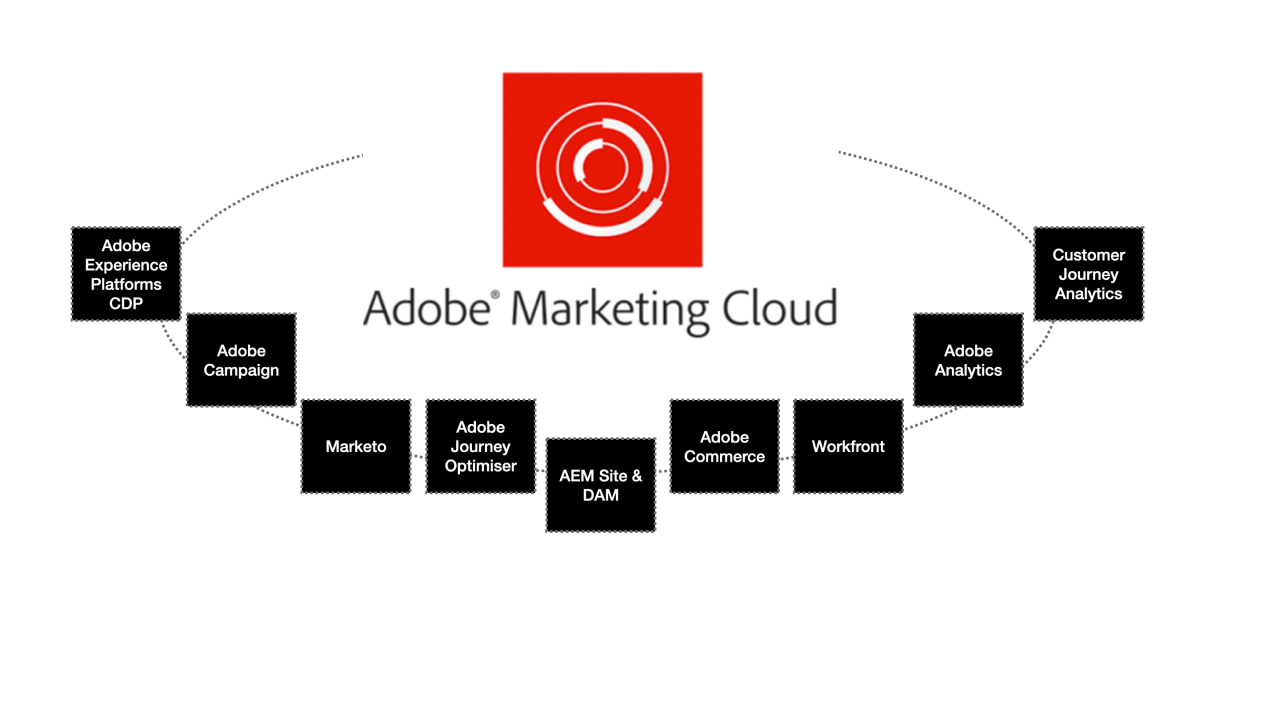
Adobe Digital Marketing Suite: Features, Benefits and How It Has Evolved
Adobe Digital Marketing Suite: What It Is and How It Has Evolved
Adobe Digital Marketing Suite was the name once used for a collection of tools that helped organisations plan, deliver and measure digital marketing campaigns. The products brought together capabilities such as web analytics, content management, advertising, social media monitoring and campaign optimisation.
The name is now largely historical. Adobe has developed and reorganised these products under Adobe Experience Cloud, its broader set of applications for marketing, analytics, commerce and customer experience management. As a result, businesses looking for the former Digital Marketing Suite should explore the current Adobe Experience Cloud products and check which tools meet their needs.
What did the suite include?
The original suite combined products that could help marketing teams understand customer behaviour and act on what they learned. Its capabilities included:
- Digital analytics: measuring website and app visits, traffic sources, conversions and other customer interactions.
- Campaign management: planning and coordinating communications across channels.
- Content management: creating, managing and publishing digital content.
- Advertising and audience management: using audience data to support advertising and improve campaign targeting.
- Social media monitoring: tracking conversations and engagement across social platforms.
- Testing and optimisation: experimenting with page layouts and content to improve digital experiences.
The exact products and packaging changed over time, so the term did not always refer to one fixed set of applications.
Adobe Experience Cloud today
Adobe Experience Cloud is the current umbrella for many of Adobe’s customer experience and marketing products. Depending on the organisation’s requirements and licensing, these can support areas such as analytics, customer journey management, content creation and delivery, advertising, commerce and personalisation.
Some well-known products associated with Adobe’s experience and marketing ecosystem include Adobe Analytics, Adobe Experience Manager, Adobe Journey Optimizer and Adobe Real-Time Customer Data Platform. Product names, availability and integrations can change, so businesses should consult Adobe’s current documentation when assessing specific features.
How businesses use Adobe’s marketing tools
A business might use analytics tools to identify which campaigns bring visitors to its website, then use customer data and journey tools to shape follow-up communications. Content management tools can help teams publish consistent experiences across websites and other digital touchpoints, while testing and optimisation capabilities can help them compare different approaches.
When these activities are connected effectively, marketing teams can build a clearer picture of how people interact with a brand. They can use that insight to make campaigns more relevant, improve digital journeys and measure results against business goals.
Potential benefits
- A more connected view of marketing: bringing data, content and campaign activity together can make it easier to understand performance across channels.
- More informed decisions: analytics can help teams identify patterns and assess which activities are contributing to their objectives.
- Consistent customer experiences: shared workflows and content tools can support a more joined-up brand presence.
- Room to scale: organisations can select products and capabilities to suit their requirements, subject to availability and licensing.
Things to consider before choosing a platform
A comprehensive marketing platform is not automatically the right choice for every organisation. Before investing, businesses should consider their goals, existing technology, data quality and internal skills. They should also assess the cost of licences, implementation, training and ongoing administration.
Integration is another important factor. Marketing tools are most useful when they work reliably with the organisation’s website, customer relationship management system, commerce platform and other relevant services. It is also essential to consider privacy, consent and data governance requirements, particularly when collecting or using personal information.
Is Adobe Digital Marketing Suite still available?
Adobe Digital Marketing Suite is generally referred to as a former product-suite name rather than the current name of Adobe’s marketing platform. Today, Adobe Experience Cloud is the relevant portfolio to investigate. Because product names, packaging and features may change, organisations should verify current details directly with Adobe or an authorised provider before making purchasing decisions.
Conclusion
Adobe Digital Marketing Suite helped establish the idea of bringing digital marketing tools together in one ecosystem. Its capabilities have since evolved within Adobe Experience Cloud. For businesses considering Adobe today, the key is to look beyond the historic suite name and evaluate the current products, integrations and services against clear marketing and customer experience needs.
Adobe Digital Marketing Suite: 7 Frequently Asked Questions
- Is Adobe Marketing Cloud a CRM?
- What is included in Adobe Marketing Cloud?
- Is Marketo part of Adobe?
- What does Adobe Digital Experience do?
- What is CRM in Adobe?
- How Adobe is used for digital marketing?
- What is Adobe Digital experience Platform?
Is Adobe Marketing Cloud a CRM?
Adobe Marketing Cloud is not a CRM in the traditional sense. It is a collection of digital marketing and customer experience tools for activities such as analytics, campaign management, content delivery and personalisation. Some Adobe products can use customer data and integrate with CRM systems, but they do not replace a full CRM platform for managing sales pipelines, accounts and customer service. Adobe’s product names and capabilities have changed over time, so check the current Adobe Experience Cloud range for the latest details.
What is included in Adobe Marketing Cloud?
Adobe Marketing Cloud was Adobe’s former name for a collection of digital marketing tools, rather than one single application. Depending on the package, it included products for web analytics, content management, campaign management, audience data, advertising, social media and testing or personalisation—for example, Adobe Analytics, Experience Manager, Campaign, Audience Manager and Target. The portfolio has since evolved under the Adobe Experience Cloud name, and the products and packages available today may differ.
Is Marketo part of Adobe?
Yes. Marketo became part of Adobe after Adobe acquired Marketo in 2018. Its marketing automation platform is now known as Adobe Marketo Engage and forms part of Adobe Experience Cloud. It helps businesses manage and automate activities such as email marketing, lead nurturing and campaign measurement. The products and services available may vary by plan, so check Adobe’s current information for details.
What does Adobe Digital Experience do?
Adobe Digital Experience brings together tools that help organisations create, manage and improve digital interactions with customers. Through Adobe Experience Cloud products, businesses can manage website content, analyse customer behaviour, coordinate marketing journeys and deliver more relevant experiences across digital channels. The specific capabilities depend on the products an organisation uses.
What is CRM in Adobe?
In Adobe’s marketing ecosystem, CRM (customer relationship management) refers to the processes and tools used to manage customer information and interactions. Adobe is not a traditional, all-in-one CRM platform in the same way as some dedicated CRM providers; instead, products within Adobe Experience Cloud can collect and organise customer data, support audience segmentation, and help coordinate personalised experiences across channels. Businesses often connect Adobe products with a CRM system to combine marketing insights with sales and service records. The specific capabilities depend on the Adobe products and integrations in use.
How Adobe is used for digital marketing?
Adobe is used for digital marketing through tools in Adobe Experience Cloud, which help businesses plan campaigns, manage content, analyse customer behaviour and personalise digital experiences. For example, teams can use analytics to understand how people interact with websites and campaigns, then use those insights to improve content and customer journeys across channels. The specific tools used depend on a business’s goals, existing systems and Adobe licence.
What is Adobe Digital experience Platform?
Adobe Experience Platform is Adobe’s customer experience platform for bringing together data from different sources, creating unified customer profiles and using those insights to deliver more relevant experiences across digital channels. It includes tools for managing data, building audiences and supporting real-time personalisation, with privacy and data governance features. It can work alongside other Adobe Experience Cloud products, but it is not the same thing as the entire Experience Cloud suite.