
How to Find and Use a Customer Support Phone Number
How to Find and Use a Customer Support Phone Number
A customer support phone number gives you a direct way to speak with a company about a product, service, payment or account issue. Although many businesses now offer help through live chat and email, a phone call can be useful when you need an answer quickly or want to explain a complicated problem.
Where to find a company’s phone number
For the most reliable contact details, check the company’s official website. Look for pages labelled “Contact us”, “Help”, “Support” or “Customer service”. You may also find a number on an invoice, order confirmation, product packaging or the back of a bank card.
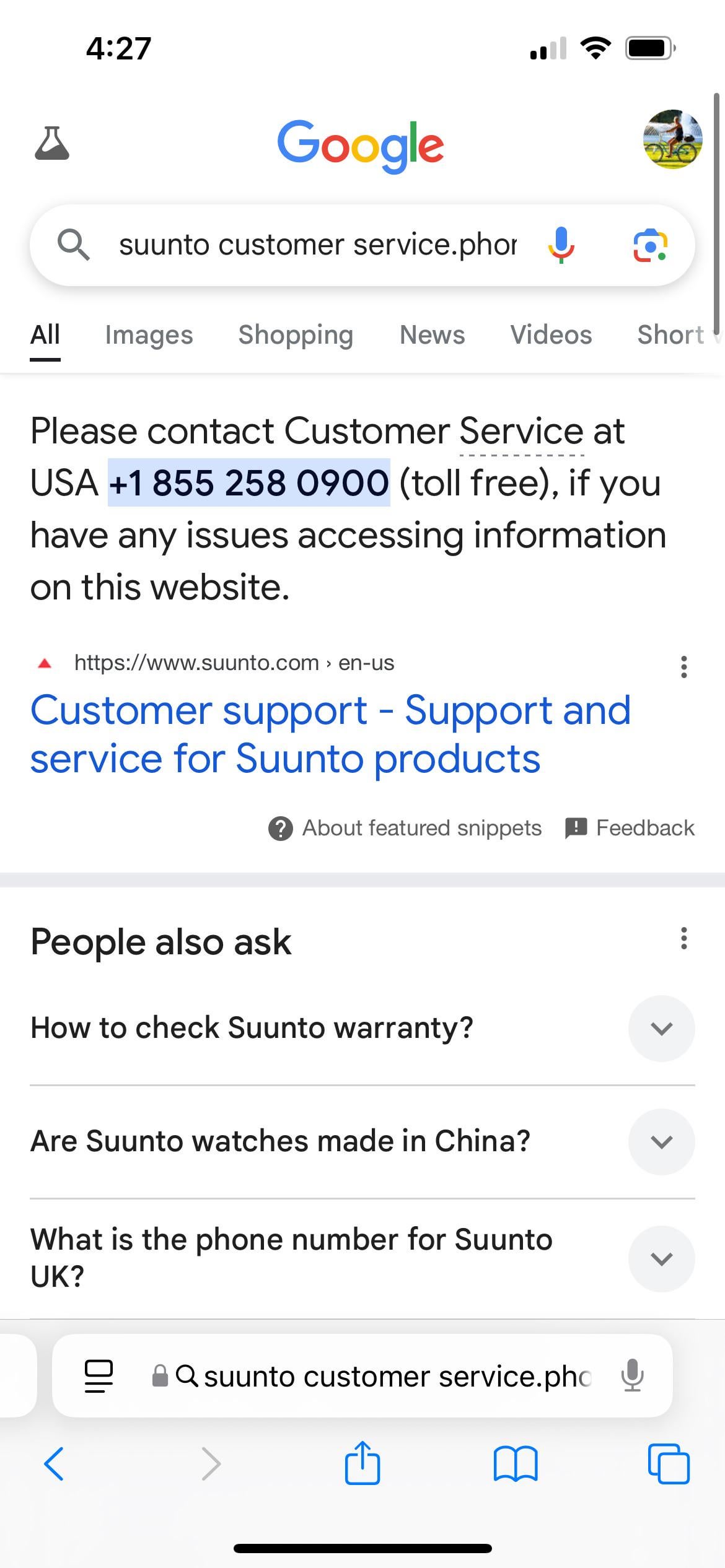
Take care when using search engines or online directories. Some listings may be out of date, and misleading adverts or unofficial websites can display numbers that are not connected with the company. If in doubt, visit the company’s website by typing its web address into your browser rather than following an unfamiliar link.
Before you call
Prepare a few details before contacting support. Depending on the issue, these might include your order reference, account email address, product model or a brief description of what has happened. Having the relevant information to hand can make the conversation quicker and easier.
Check the company’s opening hours and whether the call may incur a charge. If you are calling from outside the UK, check the international dialling code and any costs charged by your telephone provider. Some companies also offer a call-back option, which may save you waiting on hold.
Protect your personal information
Legitimate support staff may need to confirm your identity, but you should still be cautious. Never share your password, full card PIN or one-time security code over the phone. Do not transfer money or install software at the request of an unexpected caller claiming to be from customer support.
If you receive an unexpected call, end it and contact the company using the number published on its official website or on a trusted document. This helps you check that you are speaking with the genuine organisation.
What to do if you cannot get through
If the customer support phone number is busy or unavailable, try another official contact method, such as email, a web form or live chat. Keep a note of when you called and any reference number you were given. For an important complaint, communicating in writing can also provide a useful record of the issue and the company’s response.
Choose the right contact route
A phone call is often best for urgent or complicated questions. For a straightforward request, an online help page or written message may be more convenient. Whichever method you choose, use verified contact details and keep a record of any advice or decisions.
Finding the correct customer support phone number is the first step towards resolving a problem safely. Check the company’s official sources, prepare the information you need and avoid sharing sensitive security details during the call.
6 Tips for Calling a Customer Support Phone Number Safely and Effectively
- Find the number on the company’s official website.
- Check the number before calling.
- Confirm opening hours and call charges.
- Have your account details ready.
- Explain your issue clearly and briefly.
- Never share your password or one-time codes.
Find the number on the company’s official website.
To find a customer support phone number, check the company’s official website and look for its “Contact us”, “Help” or “Customer support” page. This is usually the safest way to get current, accurate contact details and avoid unofficial listings or misleading numbers.
Check the number before calling.
Check the customer support phone number before calling by confirming it on the company’s official website or a trusted document, such as an invoice or order confirmation. Avoid relying on unfamiliar search results, adverts or unsolicited messages, as they may list outdated or fraudulent numbers. If you are unsure, contact the company through a verified channel first.
Confirm opening hours and call charges.
Before calling customer support, check the company’s opening hours so you do not waste time calling when the lines are closed. Also confirm whether the call is free or charged at a standard, premium or international rate, as costs can vary depending on your provider and where you are calling from.
Have your account details ready.
Before calling a customer support phone number, have your account details ready, such as your customer or order reference and the email address linked to your account. This helps the support team find the right information and deal with your query more efficiently. Only provide details that are relevant, and never share your password, full card PIN or one-time security code.
Explain your issue clearly and briefly.
Explain your issue clearly and briefly when you speak to customer support. Start with the main problem, then share any essential details, such as when it began or what steps you have already taken. A concise explanation helps the adviser understand your situation and identify the next steps more quickly.
Never share your password or one-time codes.
Never share your password or one-time security codes with anyone who contacts you claiming to be from customer support. Genuine support staff should not need these details to help with your account. If you are asked to provide them, end the call and contact the company using the phone number on its official website.