
Adobe Flash Player: Its Rise, Legacy and End of Support
Adobe Flash Player: A Look Back at the Web’s Multimedia Era
For many years, Adobe Flash Player helped bring animation, games and interactive features to websites. It powered everything from short online videos to educational activities and browser-based games. Although it was once a familiar part of using the internet, Flash Player is now discontinued and should not be installed or used.
What was Adobe Flash Player?
Adobe Flash Player was software that displayed content created using Adobe Flash technology. Websites used it to run animations, play audio and video, and provide interactive experiences. In the early days of online multimedia, many browsers did not support these features consistently on their own, so Flash became a widely used way to deliver them.
Flash content was often built with Adobe Flash Professional, later renamed Adobe Animate. The finished files could then be played in a web browser using Flash Player. The technology was also used for desktop applications and games.
Why was Flash so popular?
Flash offered designers and developers a way to create lively, interactive web pages. It became particularly well known for:
- Browser-based games and interactive activities
- Animated adverts and cartoons
- Video and audio players
- Online learning materials and presentations
- Interactive menus and website features
At its peak, Flash content appeared across a large part of the web. It helped shape the experience of going online during the 2000s, when rich media was becoming more common.
Why did Flash Player reach end of life?
Flash’s role declined as web standards such as HTML5, CSS and JavaScript improved. These technologies enabled browsers to deliver video, animation and interactive features without a separate plug-in. This made websites easier to use across different devices, including smartphones and tablets.
Flash Player also faced ongoing security concerns. Like other widely used software, it required frequent updates to address vulnerabilities. As browsers moved towards built-in web standards and stronger security, reliance on a separate plug-in became increasingly impractical.
Adobe ended support for Flash Player on 31 December 2020. From 12 January 2021, Flash Player blocked Flash content from running. Major browsers also removed or disabled support for the plug-in.
Is Flash Player safe to download today?
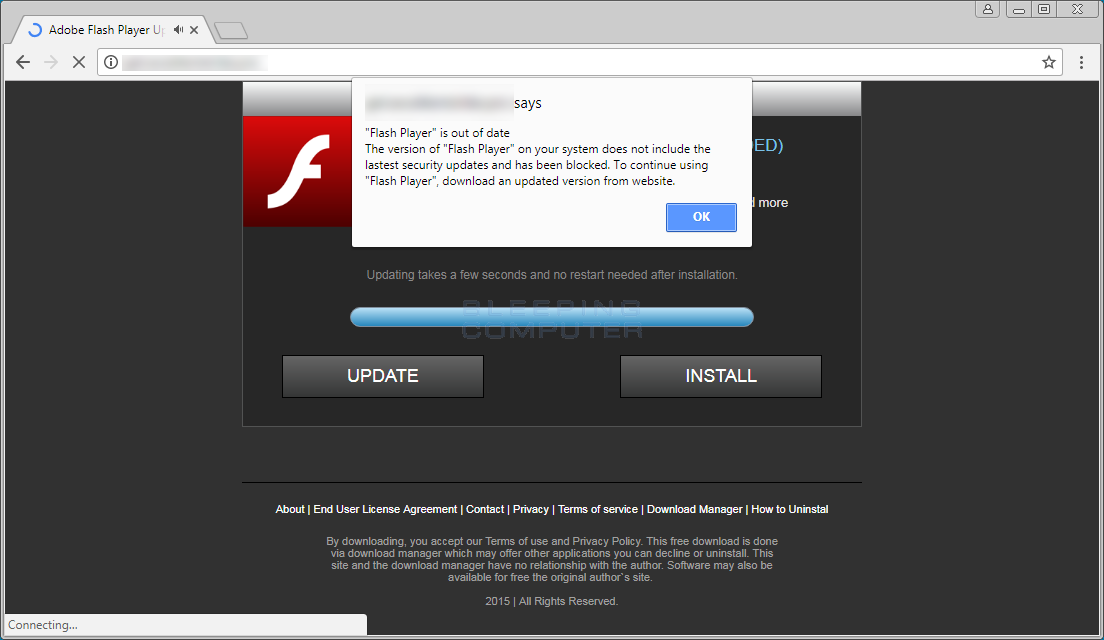
No. Adobe no longer provides or supports Flash Player, and it does not receive security updates. Downloading it from unofficial websites can expose your device to malware or other risks. Be cautious of pages that claim to offer a current version of Flash Player or ask you to install a plug-in to view content.
If a website says Flash is required, it is best to look for an updated version of the content or contact the site owner. Do not disable browser security settings or install an old Flash Player to access it.
What happened to Flash content?
Some creators and organisations converted their material to modern web technologies. Others archived old games and animations for historical or personal use. However, archived Flash files may not work directly in a modern browser, and downloading files from unknown sources carries risks.
For legitimate preservation projects, use reputable archives and follow their safety guidance. Organisations that depend on older Flash applications should seek a secure migration or preservation plan rather than connecting unsupported software to the internet.
The legacy of Flash
Adobe Flash Player is no longer part of the modern web, but its influence remains. It helped introduce millions of people to online games, animation and interactive media, and encouraged creators to experiment with what websites could do.
Today, open web standards provide safer, more compatible ways to create those experiences. Flash Player is best remembered as an important chapter in the development of the internet—not as software to install or use now.
Understanding Adobe Flash Player: Usage, Discontinuation, and Alternatives
- What was Adobe Flash Player used for?
- Is Adobe Flash Player still available or supported?
- Why was Adobe Flash Player discontinued?
- Is it safe to download Adobe Flash Player today?
- How can I view old Flash content without Flash Player?
What was Adobe Flash Player used for?
Adobe Flash Player was used to display interactive and multimedia content in web browsers, including animations, videos, audio, online games and learning activities. It also powered interactive features such as menus and presentations. Flash Player is now discontinued, so modern websites use technologies such as HTML5, CSS and JavaScript instead.
Is Adobe Flash Player still available or supported?
No. Adobe ended support for Flash Player on 31 December 2020, and it no longer provides updates or security fixes. From 12 January 2021, Flash Player began blocking Flash content, and modern browsers no longer support the plug-in. Avoid downloading it from third-party websites, as unofficial installers may contain malware.
Why was Adobe Flash Player discontinued?
Adobe Flash Player was discontinued because web standards such as HTML5, CSS and JavaScript had evolved to provide multimedia and interactive features without a separate plug-in. Flash also posed ongoing security and performance challenges, while its support on mobile devices was limited. As browsers moved away from plug-ins, Adobe ended support for Flash Player on 31 December 2020.
Is it safe to download Adobe Flash Player today?
No. Adobe Flash Player reached end of life on 31 December 2020 and no longer receives security updates. Avoid downloading it from unofficial websites, as installers may contain malware or other unwanted software. If a website says Flash is required, look for an updated version of the content or contact the site owner instead of installing Flash or changing your browser’s security settings.
How can I view old Flash content without Flash Player?
You can view some old Flash content using a reputable emulator such as Ruffle, which runs many Flash files in a modern browser without installing Adobe Flash Player. Some preserved games and animations are also available through trusted digital archives, including the Internet Archive and Flashpoint. Compatibility varies, so not every item will work; avoid downloading Flash Player from unofficial sites, as it is no longer supported and may pose a security risk.