
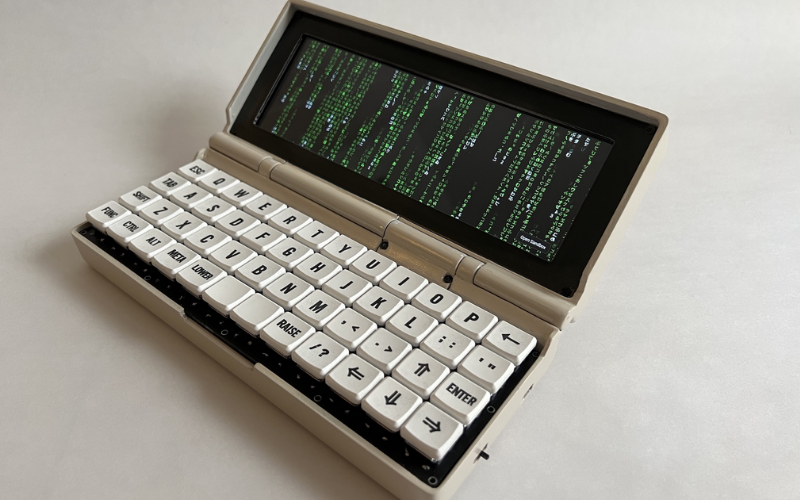
Unlocking Innovation: The Power of the Raspberry Pi Computer
The Raspberry Pi Computer: A Small Yet Powerful Innovation
When it comes to compact yet versatile computing solutions, the Raspberry Pi computer stands out as a true game-changer. Developed by the Raspberry Pi Foundation, this credit card-sized single-board computer has captured the imagination of tech enthusiasts, educators, and hobbyists worldwide.
At first glance, the Raspberry Pi may seem unassuming due to its size, but don’t let that fool you. Packed within its tiny frame is a remarkable level of functionality and performance that belies its modest appearance.
Key Features of the Raspberry Pi
Despite its diminutive size, the Raspberry Pi boasts an impressive array of features:
- Low Cost: One of the most appealing aspects of the Raspberry Pi is its affordability, making it accessible to a wide range of users.
- Flexibility: The Raspberry Pi can be used for a variety of applications, from basic computing tasks to more advanced projects such as home automation and robotics.
- Community Support: The vibrant community surrounding the Raspberry Pi provides ample resources, tutorials, and support for users at all levels.
- GPIO Pins: The General Purpose Input/Output (GPIO) pins on the Raspberry Pi allow for easy interfacing with external devices and sensors, expanding its capabilities even further.
Applications of the Raspberry Pi
The versatility of the Raspberry Pi makes it suitable for a wide range of applications:
- Educational Tool: Many educational institutions use the Raspberry Pi to teach programming and electronics concepts in a hands-on manner.
- Media Centre: With its ability to handle multimedia content smoothly, the Raspberry Pi can be turned into a cost-effective media centre for streaming movies and music.
- IoT Projects: The GPIO pins make it ideal for Internet of Things (IoT) projects where connectivity with sensors and other devices is essential.
- Servers and Networking: The Raspberry Pi can also serve as a lightweight server for hosting websites or as a network-attached storage (NAS) device.
The Future of Computing with Raspberry Pi
As technology continues to evolve at a rapid pace, innovations like the Raspberry Pi pave the way for new possibilities in computing. Its combination of affordability, versatility, and community support makes it an invaluable tool for both beginners and seasoned professionals looking to explore the realms of DIY computing and innovation.
In conclusion, the Raspberry Pi computer is not just a piece of hardware; it represents a gateway to creativity, learning, and innovation in the digital age. Whether you’re looking to build your own projects or simply curious about what this small but mighty device can do, exploring the world of Raspberry Pi is sure to be an enlightening journey.
Exploring the Raspberry Pi: Answers to Common Questions About Its Uses and Capabilities
- Can a Raspberry Pi replace a laptop?
- Why is it called a Raspberry Pi?
- Can a Raspberry Pi replace a computer?
- What is the Raspberry Pi computer used for?
- Is a Raspberry Pi good for Jellyfin?
- Can a Raspberry Pi be used as a computer?
- How does a Raspberry Pi computer work?
- Is Raspberry Pi a powerful computer?
Can a Raspberry Pi replace a laptop?
The frequently asked question of whether a Raspberry Pi can replace a laptop sparks an intriguing discussion within the tech community. While the Raspberry Pi offers impressive capabilities in a compact form factor, it is important to note that it is not designed to directly replace a traditional laptop. The Raspberry Pi excels in specific tasks such as programming, educational projects, and IoT applications, but its processing power and functionality may not match that of a full-fledged laptop. However, with the right peripherals and software configurations, the Raspberry Pi can certainly serve as a lightweight and cost-effective alternative for certain computing needs, showcasing its adaptability and versatility in the ever-evolving landscape of technology.
Why is it called a Raspberry Pi?
The Raspberry Pi computer derives its name from a combination of factors. The “Raspberry” part of the name pays homage to the tradition of naming computers after fruits, following in the footsteps of Apple Inc. with its Macintosh line. The choice of “Pi” is a nod to the mathematical term “π” (pi), representing the infinite possibilities and applications that this small yet powerful device can offer. Overall, the name Raspberry Pi reflects both a playful nod to computing history and a symbol of the vast creative potential that this innovative single-board computer brings to users worldwide.
Can a Raspberry Pi replace a computer?
The frequently asked question of whether a Raspberry Pi can replace a computer is a topic that sparks much debate among tech enthusiasts. While the Raspberry Pi offers impressive computing capabilities in a compact form factor, it may not entirely replace a traditional desktop or laptop computer for all users. The Raspberry Pi excels in specific tasks such as programming, IoT projects, and media streaming but may not match the performance or compatibility of a full-fledged computer in terms of processing power, storage capacity, and software support. Ultimately, the decision to use a Raspberry Pi as a computer replacement depends on individual needs and preferences, with many users finding it to be a valuable addition to their tech arsenal rather than a complete substitute for a traditional PC.
What is the Raspberry Pi computer used for?
The Raspberry Pi computer is a versatile and multifunctional device that finds applications across various domains. Commonly used for educational purposes, the Raspberry Pi serves as an excellent tool for teaching programming, electronics, and computer science concepts in a hands-on manner. Beyond education, it is widely employed in DIY projects, home automation systems, media centres, Internet of Things (IoT) applications, and even as servers for hosting websites. With its GPIO pins allowing easy interfacing with external devices and sensors, the Raspberry Pi offers endless possibilities for innovation and creativity in the realm of computing.
Is a Raspberry Pi good for Jellyfin?
When it comes to using a Raspberry Pi for Jellyfin, the answer is a resounding yes. The Raspberry Pi’s compact size and versatility make it an excellent platform for running Jellyfin, a popular open-source media server software. With the Raspberry Pi’s capabilities, users can set up a cost-effective media server that can stream content seamlessly to various devices within their home network. Whether you’re looking to enjoy your media collection or share it with others, the Raspberry Pi proves to be a reliable and efficient choice for hosting Jellyfin.
Can a Raspberry Pi be used as a computer?
Yes, a Raspberry Pi can indeed be used as a computer. Despite its small size, the Raspberry Pi is a fully functional computer that can perform a wide range of tasks typically associated with traditional desktop or laptop computers. With its processing power, memory capabilities, and connectivity options, the Raspberry Pi can handle basic computing functions such as web browsing, word processing, programming, multimedia playback, and more. Its versatility and affordability make it an excellent choice for users looking to explore the world of computing in a compact and cost-effective package.
How does a Raspberry Pi computer work?
The Raspberry Pi computer operates by combining hardware components, such as the processor, memory, and input/output interfaces, with a Linux-based operating system. Upon powering up the Raspberry Pi, the operating system loads into memory from the microSD card, initiating the boot process. Users interact with the Raspberry Pi through peripherals like a keyboard, mouse, and monitor connected to its USB and HDMI ports. The GPIO pins enable interfacing with external devices for various projects. Users can write and execute code in programming languages like Python to control the Raspberry Pi’s functions and create custom applications. Overall, the Raspberry Pi’s modular design and user-friendly interface make it a versatile platform for learning, experimentation, and project development in diverse fields.
Is Raspberry Pi a powerful computer?
The Raspberry Pi may not be a powerhouse in terms of raw computing power compared to high-end desktops or laptops, but its strength lies in its versatility and affordability. Despite its compact size and modest specifications, the Raspberry Pi is capable of handling a wide range of tasks, from basic computing functions to more advanced projects such as home automation, media streaming, and IoT applications. Its real power comes from its flexibility and the vibrant community support that surrounds it, making it a valuable tool for learning, experimentation, and innovation in the world of DIY computing.