
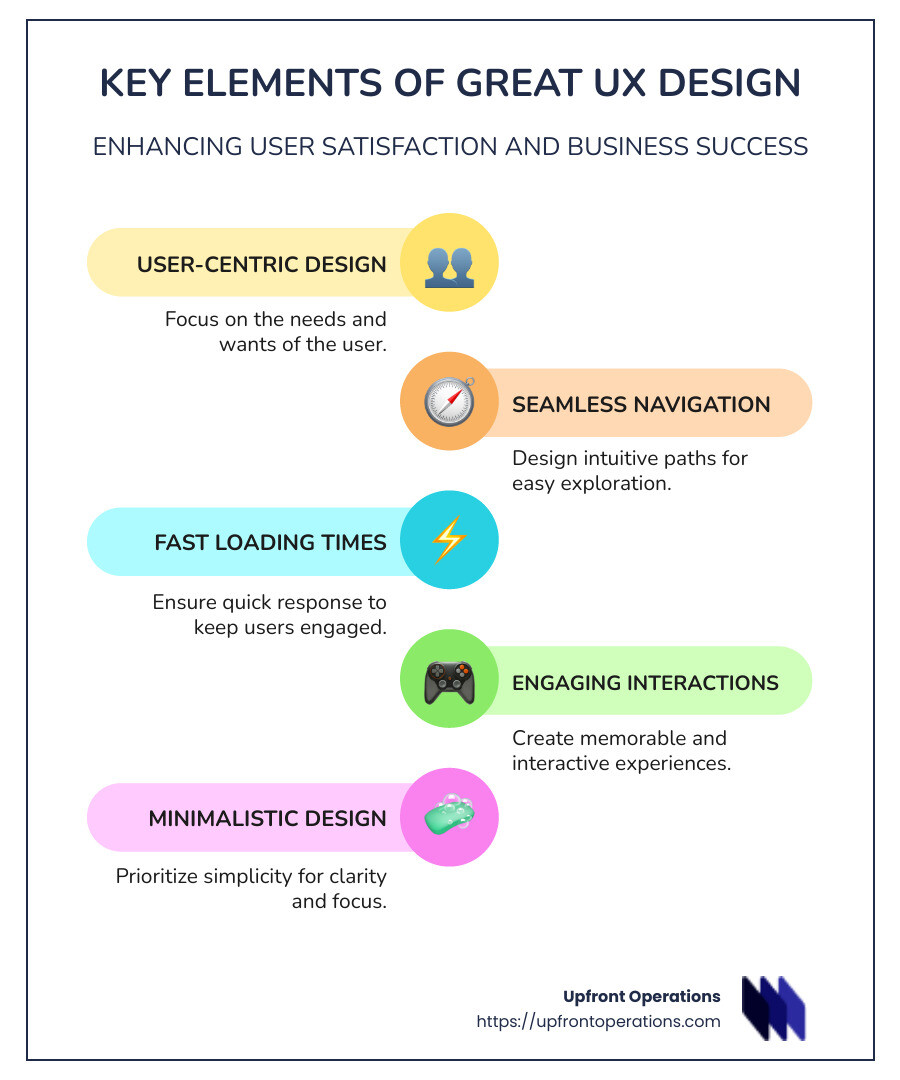
Unlocking Success: The Power of Great UX in Today’s Digital Landscape
The Essence of Great User Experience (UX)
In today’s digital age, user experience (UX) has become a critical factor in determining the success of any product or service. Great UX goes beyond just aesthetics; it encompasses the overall feel of a product and how users interact with it. Let’s delve into what makes great UX and why it is essential for businesses striving to stand out in a competitive market.
Understanding User Needs
At the core of great UX is a deep understanding of user needs. Designing with the user in mind involves conducting thorough research to identify pain points, preferences, and behaviours. By putting yourself in the shoes of the end-user, you can create intuitive interfaces that cater to their needs and expectations.
Simplicity and Clarity
Simplicity is key to great UX. A cluttered interface can overwhelm users and hinder their ability to navigate smoothly. By embracing simplicity and clarity in design, you can guide users through a seamless journey, making it easy for them to accomplish their goals without unnecessary distractions.
Consistency Across Platforms
With the rise of multi-device usage, maintaining consistency across platforms is crucial for delivering a cohesive user experience. Whether accessing a website on a desktop or a mobile device, users should encounter familiar elements and functionalities that ensure a seamless transition between different platforms.
Feedback and Iteration
Great UX is an ongoing process that involves gathering feedback from users and iterating based on their insights. By soliciting feedback through surveys, usability testing, and analytics, you can identify areas for improvement and refine your design to better meet user expectations.
Personalisation
Personalisation plays a significant role in enhancing UX by tailoring experiences to individual preferences. By leveraging data analytics and user behaviour patterns, businesses can deliver personalised content, recommendations, and interactions that resonate with each user on a personal level.
The Business Impact
Investing in great UX yields tangible benefits for businesses. A well-designed user experience can lead to increased customer satisfaction, higher conversion rates, improved brand loyalty, and ultimately, greater business success. By prioritising UX design, companies can differentiate themselves in the market and build lasting relationships with their customers.
In conclusion, great UX is not just about creating visually appealing interfaces; it’s about crafting meaningful experiences that delight users at every touchpoint. By focusing on user needs, simplicity, consistency, feedback-driven iteration, personalisation, businesses can elevate their offerings and set new standards for excellence in the digital landscape.
Top 5 FAQs on Enhancing User Experience: Understanding, Improving, and Measuring Success
- What is user experience (UX) and why is it important?
- How can businesses improve UX design for their products or services?
- What role does user research play in enhancing UX?
- Why is simplicity considered a key factor in creating great UX?
- How can companies measure the success of their UX design efforts?
What is user experience (UX) and why is it important?
User experience (UX) refers to the overall experience that a user has when interacting with a product, service, or system. It encompasses every aspect of the user’s interaction, from the initial impression to the ease of use and satisfaction with the end result. Great UX is essential because it directly impacts how users perceive and engage with a product or service. A well-designed user experience can enhance customer satisfaction, increase user retention, boost conversion rates, and ultimately differentiate a business from its competitors. By prioritising UX design, businesses can create meaningful and intuitive experiences that resonate with users and drive long-term success.
How can businesses improve UX design for their products or services?
To enhance UX design for their products or services, businesses can start by prioritising user research to gain a deep understanding of their target audience’s needs and preferences. By conducting usability testing, analysing user feedback, and iterating on design based on insights gathered, businesses can refine their products to better align with user expectations. Embracing simplicity, consistency across platforms, and personalisation can further elevate the user experience. Additionally, investing in skilled UX designers and fostering a culture of continuous improvement and innovation can help businesses stay ahead in delivering exceptional UX that resonates with their customers.
What role does user research play in enhancing UX?
User research plays a pivotal role in enhancing user experience (UX) by providing valuable insights into user behaviours, preferences, and pain points. By conducting thorough user research, designers can gain a deep understanding of their target audience, allowing them to create intuitive interfaces that meet users’ needs and expectations. User research helps in identifying usability issues, validating design decisions, and refining the overall user journey. Ultimately, incorporating user research into the UX design process leads to more user-centric solutions that drive greater satisfaction and engagement among users.
Why is simplicity considered a key factor in creating great UX?
Simplicity is considered a key factor in creating great User Experience (UX) because it enhances usability and reduces cognitive load for users. A simple and intuitive design allows users to navigate a product or service effortlessly, focusing on their goals without unnecessary distractions or confusion. By eliminating complexity and presenting information in a clear and concise manner, simplicity enhances user satisfaction and engagement. Users are more likely to have a positive experience when interactions are straightforward and easy to understand, leading to increased retention rates and overall success of the product or service.
How can companies measure the success of their UX design efforts?
Measuring the success of UX design efforts is crucial for companies looking to gauge the effectiveness of their user experience strategies. Companies can employ various metrics to evaluate the impact of UX design on their business objectives. Key performance indicators (KPIs) such as conversion rates, bounce rates, task completion rates, and user satisfaction scores can provide valuable insights into the performance of a website or application. Additionally, conducting usability testing, gathering user feedback, and analysing user behaviour through heatmaps and session recordings can offer qualitative data to complement quantitative metrics. By combining both quantitative and qualitative measures, companies can gain a comprehensive understanding of how well their UX design efforts align with user needs and business goals.