
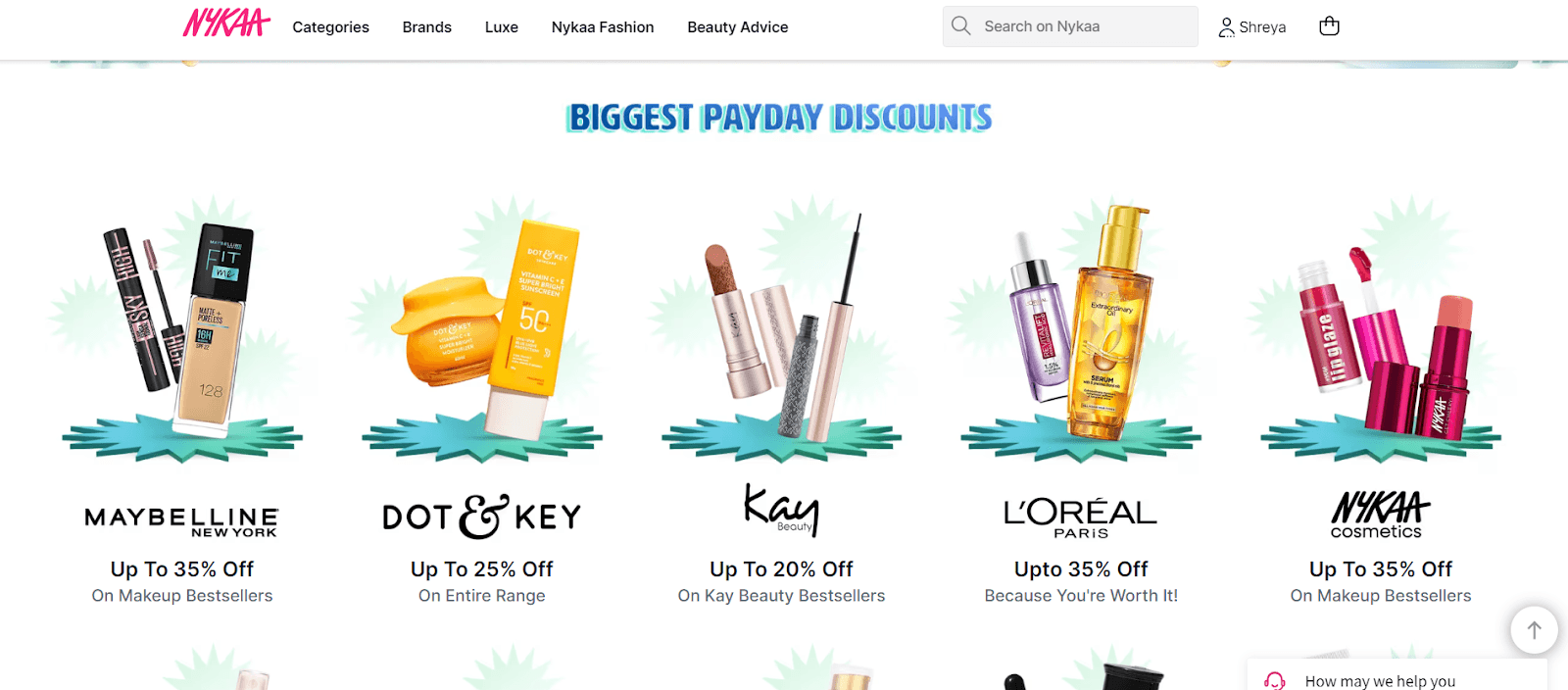
Discover the Top UX Websites for Exceptional User Experience
Exploring the Best UX Websites
User Experience (UX) design plays a crucial role in creating engaging and intuitive websites that leave a lasting impression on visitors. Here, we delve into some of the best UX websites that excel in providing a seamless and delightful user experience.
Awwwards
Awwwards is a platform that recognises and promotes the talent and effort of web designers, developers, and agencies worldwide. The website itself boasts a sleek design with easy navigation, showcasing award-winning projects that serve as a source of inspiration for UX enthusiasts.
Smashing Magazine
Smashing Magazine is a go-to resource for web designers and developers looking to stay updated on the latest trends and best practices in UX design. The website’s clean layout, informative articles, and user-friendly interface make it a valuable hub for learning and networking within the UX community.
Airbnb
Airbnb sets the bar high when it comes to providing an exceptional user experience on its platform. From intuitive search filters to personalised recommendations, every aspect of the website is designed to enhance user satisfaction and streamline the booking process, making it a prime example of effective UX design in action.
Dropbox
Dropbox’s website exemplifies simplicity and functionality in UX design. With clear call-to-action buttons, minimalistic visuals, and seamless navigation, users can easily understand the product offerings and effortlessly navigate through different sections of the site—resulting in a smooth and efficient user experience.
BBC News
BBC News delivers news content with a focus on accessibility and readability—a key aspect of user experience design. The website’s responsive layout, well-organised categories, and fast-loading pages ensure that users can quickly find relevant information without any distractions or usability issues.
In conclusion, these best UX websites serve as valuable sources of inspiration for designers and businesses looking to enhance their online presence through thoughtful and effective user experience design. By prioritising usability, accessibility, and visual appeal, these websites set high standards for creating engaging digital experiences that resonate with users.
Exploring the Essentials: Frequently Asked Questions on Exceptional UX Design for Websites
- What are the key principles of UX design for websites?
- How can UX design improve website usability and user satisfaction?
- What are some examples of websites with exceptional UX design?
- Why is it important for websites to focus on user experience?
- What tools and techniques are commonly used in UX design for websites?
- How can businesses benefit from investing in UX design for their websites?
- What are the current trends in UX design that impact website development?
What are the key principles of UX design for websites?
When it comes to designing websites with exceptional user experiences, several key principles of UX design play a crucial role. Firstly, usability is paramount, ensuring that the website is intuitive and easy to navigate for users of all levels. Clear and concise content presentation is another vital principle, helping users quickly find the information they seek. Consistency in design elements and interactions across the website enhances familiarity and reduces cognitive load for visitors. Accessibility is also a fundamental principle, ensuring that all users can interact with the website regardless of any limitations they may have. By incorporating these key principles of UX design into website development, designers can create engaging and user-friendly digital experiences that leave a positive impact on visitors.
How can UX design improve website usability and user satisfaction?
User Experience (UX) design plays a pivotal role in enhancing website usability and user satisfaction by prioritising the needs and preferences of the target audience. Through thoughtful research, prototyping, and testing, UX designers can create intuitive navigation paths, clear visual hierarchies, and interactive elements that guide users seamlessly through the website. By focusing on user-centric design principles, such as simplicity, consistency, and accessibility, UX design ensures that visitors can easily find the information they seek and accomplish their goals efficiently. This results in improved user satisfaction as individuals experience a sense of ease, enjoyment, and accomplishment while interacting with the website—ultimately leading to increased engagement and positive perceptions of the brand or service being offered.
What are some examples of websites with exceptional UX design?
When it comes to exceptional UX design, several websites stand out as prime examples of user-centric innovation. Platforms such as Awwwards, known for showcasing award-winning projects and inspiring creativity in web design, and Airbnb, with its seamless booking experience and personalised recommendations, demonstrate a commitment to enhancing user satisfaction through intuitive interfaces. Additionally, websites like Smashing Magazine and Dropbox excel in providing valuable resources and services with clean layouts, clear navigation, and minimalistic aesthetics that prioritise functionality and user engagement. These examples highlight the importance of prioritising user experience in web design to create memorable and impactful online interactions.
Why is it important for websites to focus on user experience?
Focusing on user experience is crucial for websites as it directly impacts how visitors interact with and perceive a site. A positive user experience enhances engagement, encourages repeat visits, and ultimately drives conversions. By prioritising intuitive navigation, clear information architecture, and responsive design, websites can create a seamless and enjoyable journey for users. This not only improves customer satisfaction but also builds trust and loyalty towards the brand. In a competitive digital landscape, where attention spans are short and choices abound, prioritising user experience is key to standing out and creating meaningful connections with audiences.
What tools and techniques are commonly used in UX design for websites?
In the realm of UX design for websites, a variety of tools and techniques are commonly employed to craft seamless and user-centric digital experiences. Designers often leverage wireframing and prototyping tools such as Sketch, Adobe XD, or Figma to visualise the layout and interactions of a website before moving into the development phase. User research methods like interviews, surveys, and usability testing help designers gain valuable insights into user preferences and behaviours, guiding the design process towards meeting user needs effectively. Additionally, techniques like information architecture, user personas, and journey mapping assist in creating intuitive navigation structures and tailored experiences that enhance usability and engagement on websites. By combining these tools and techniques strategically, UX designers can create websites that not only look visually appealing but also deliver exceptional usability and functionality to users.
How can businesses benefit from investing in UX design for their websites?
Investing in UX design for their websites can bring significant benefits to businesses. A well-crafted user experience can enhance customer satisfaction, increase user engagement, and boost conversion rates. By creating intuitive navigation, clear call-to-action buttons, and visually appealing layouts, businesses can improve the overall usability of their websites, leading to higher customer retention and loyalty. Moreover, a seamless user experience can differentiate a brand from its competitors, build trust with customers, and ultimately drive business growth by attracting and retaining a loyal customer base. Prioritising UX design not only improves the functionality of a website but also contributes to enhancing the overall brand image and credibility in the digital landscape.
What are the current trends in UX design that impact website development?
Current trends in UX design have a significant impact on website development, shaping the way users interact with digital platforms. Some key trends include the rise of dark mode interfaces for reduced eye strain and improved readability, the integration of voice user interfaces (VUI) for hands-free interaction, the emphasis on micro-interactions to enhance user engagement, and the focus on inclusive design principles to ensure accessibility for all users. Additionally, the growing popularity of minimalist design aesthetics and personalised user experiences are driving forces behind creating intuitive and visually appealing websites that cater to modern user expectations. By staying abreast of these trends, website developers can elevate their UX design strategies to deliver seamless and engaging digital experiences that resonate with their target audience.