
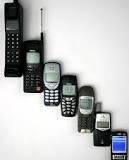
The First Cell Phone: The Call That Changed the World
The First Cell Phone: A Call That Changed the World
Today, mobile phones are part of everyday life. They help us communicate, find our way around and access information wherever we are. But the first handheld mobile phone was a very different device: large, heavy and capable of making calls for only a short time before its battery needed recharging.
The first handheld mobile phone call
On 3 April 1973, engineer Martin Cooper of Motorola made what is widely recognised as the first public call from a handheld mobile phone. He was standing on a street in New York and called Joel Engel, a researcher at rival telecommunications company Bell Labs.
Cooper made the call using a prototype developed by Motorola. It weighed around 1.1 kilograms and was far bulkier than a modern smartphone. Even so, the device demonstrated an exciting new possibility: people could make a phone call while walking around, rather than being tied to a landline or a car phone.
From prototype to product
The 1973 phone was a prototype, not a product that people could buy. Motorola continued developing the technology, and the company’s DynaTAC 8000X became the first handheld mobile phone to receive approval for commercial use in the United States. It went on sale in 1983.
The DynaTAC 8000X was still expensive and cumbersome by today’s standards. It weighed roughly 790 grams, offered around 30 minutes of talk time and took many hours to recharge. Its high price meant that mobile phones were initially within reach of relatively few people.
Why the first cell phone mattered
The breakthrough was not simply making a phone smaller. The idea of a cellular network allowed an area to be divided into sections, or “cells”, each served by radio equipment. As a person moved between cells, the network could pass the call from one area to another. This approach helped make it possible to serve more users over a wider area than a single transmitter could manage.
Early mobile phones were mainly used for voice calls, and mobile networks developed gradually. Over time, advances in electronics and batteries made phones smaller, lighter and more affordable. Text messaging, internet access, cameras and apps transformed them from portable telephones into the multifunctional devices used today.
A lasting legacy
The first handheld cell phone was far from pocket-sized, but it marked a turning point in communication. Martin Cooper’s call in 1973 showed that a telephone conversation did not have to begin and end at a fixed location. More than five decades later, that idea continues to shape how people work, keep in touch and experience the world.
7 Essential Tips for Choosing Your Child’s First Mobile Phone
- Choose a simple, durable phone.
- Set a clear budget before shopping.
- Compare battery life and coverage.
- Agree on screen-time limits.
- Teach privacy and online safety.
- Save emergency contacts together.
- Use a sturdy case and screen protector.
Choose a simple, durable phone.
When choosing your first mobile phone, opt for a simple, durable model that is easy to use and can withstand everyday knocks. A straightforward interface, reliable battery life and sturdy build are often more useful than a long list of advanced features, particularly if you mainly need the phone for calls and messages.
Set a clear budget before shopping.
Before shopping for your first mobile phone, set a clear budget and decide how much you can comfortably spend on the handset and any ongoing costs, such as calls, data and a monthly contract. Comparing pay-as-you-go and contract options can help you avoid unexpected charges and choose a phone that suits both your needs and your finances.
Compare battery life and coverage.
When choosing a first mobile phone, compare battery life and network coverage before you buy. Check how long the battery lasts during calls and standby, and consider how easily you can recharge it while out and about. Coverage can vary between providers and locations, so look at signal availability where you live, work and travel. A phone is most useful when it stays charged and can connect reliably wherever you need it.
Agree on screen-time limits.
Agreeing on screen-time limits can help children build healthy habits as they use their first mobile phone. Set clear, age-appropriate expectations together, such as phone-free times during meals, homework and bedtime, and explain why these boundaries matter. Involving your child in the conversation can make the rules feel fairer and encourage them to manage their screen time responsibly.
Teach privacy and online safety.
Teach children to protect their privacy and stay safe online from their first mobile phone. Encourage them to use strong passwords, keep personal details and location private, and think carefully before sharing photos or messages. Explain that not everyone online is who they claim to be, and that they should never meet an online contact without speaking to a trusted adult first. Make sure they know they can come to you if something makes them feel uncomfortable, worried or pressured, without fear of being blamed.
Save emergency contacts together.
Save emergency contacts together in your first mobile phone so they’re easy to find when you need them. Add important people under clear names, such as “Mum”, “Dad” or “Emergency contact”, and check that their numbers are correct. If your phone allows it, mark them as favourites or add them to its emergency information, so they can be reached quickly in a stressful situation.
Use a sturdy case and screen protector.
Protecting your first mobile phone with a sturdy case and a screen protector can help prevent scratches, cracks and other damage from everyday knocks and drops. Choose a case that fits your model securely, and make sure the screen protector is properly aligned so it does not interfere with the display or touch controls.